


Address
Nanzhai village, Liushi Town, yueqingCity, zhejiang Province, china
Tel
+86-13375775325

| Quantity: | |
|---|---|
Introduction:
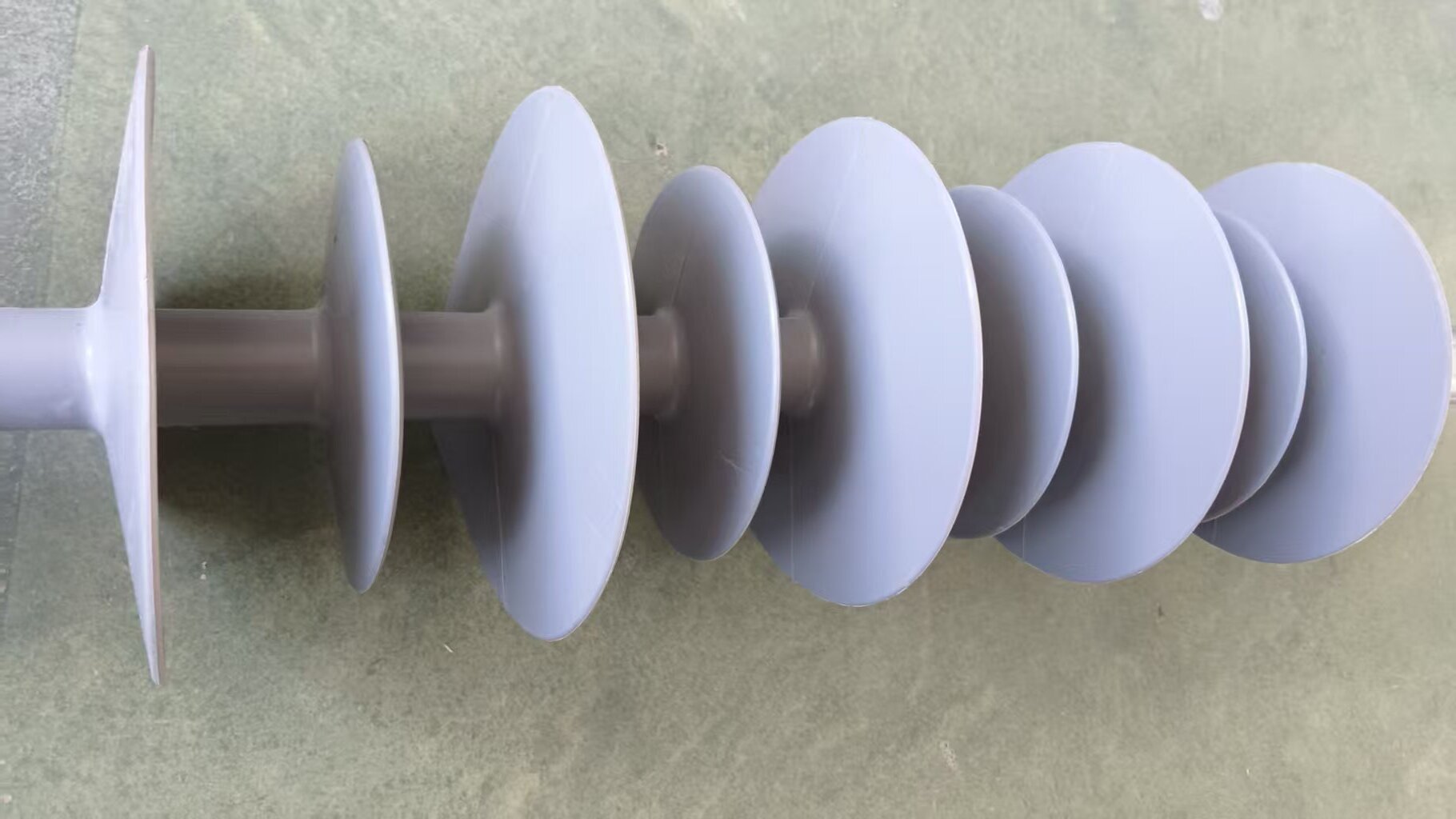
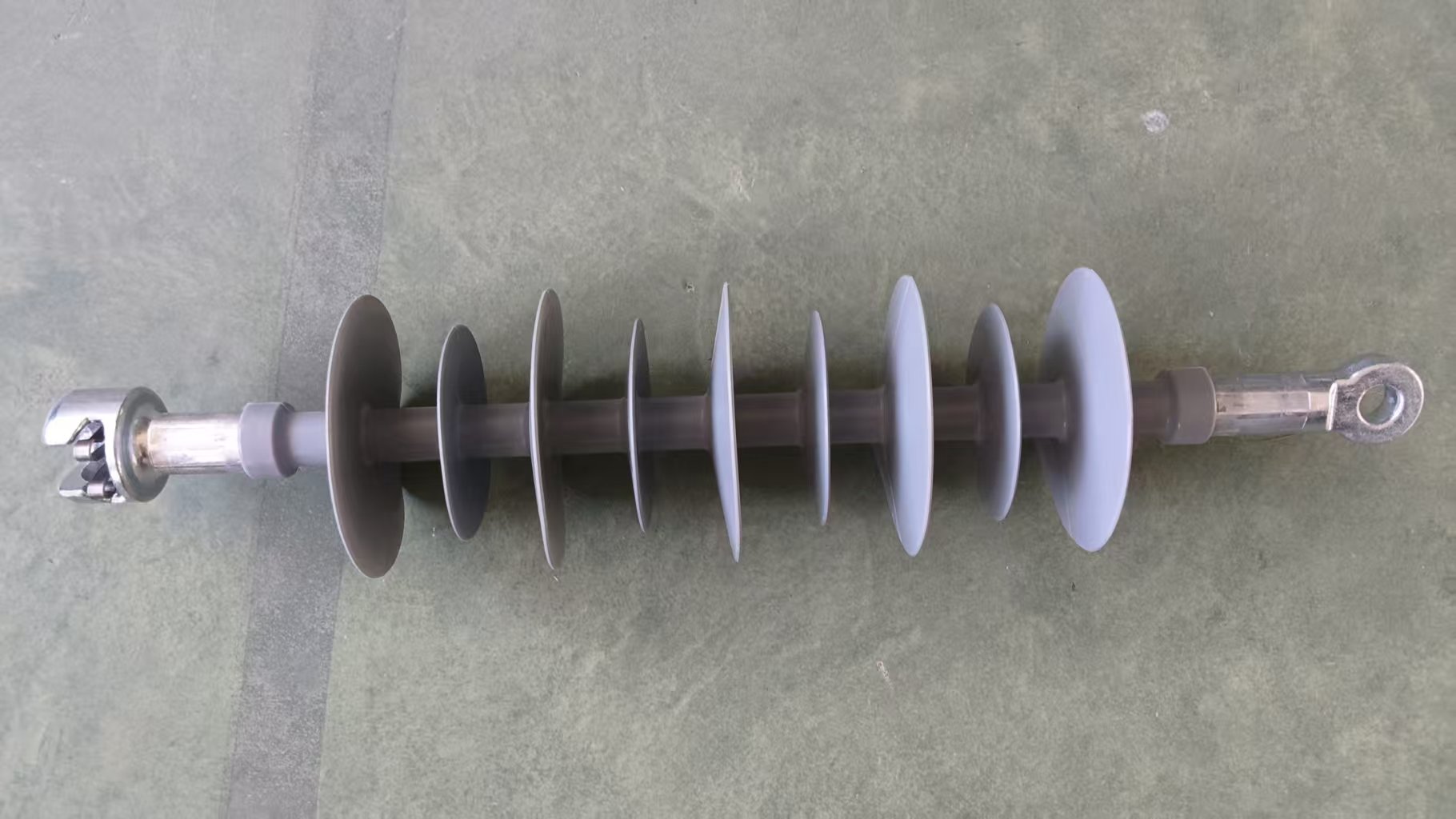
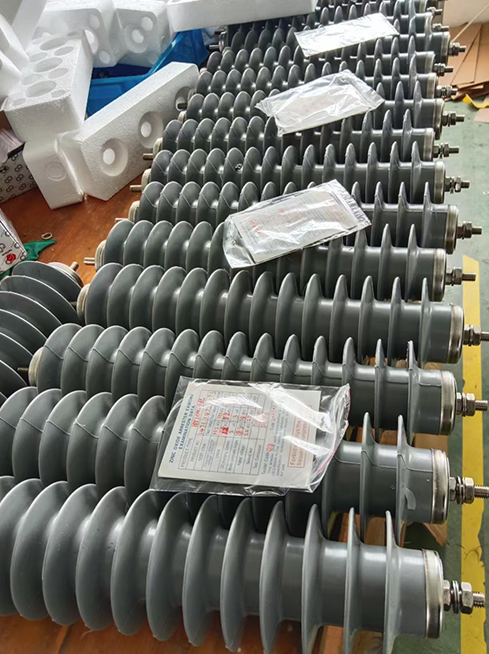
This is a 33kV, 70kN Suspension Composite Insulator, a key component in modern electrical transmission and distribution systems. Designed for reliability and longevity, it serves as an insulating link between live high-voltage conductors and grounded transmission tower structures. The tension polymer insulator featured in the image is characterized by its grey color, nine-shed design, and a specified creepage distance of 1200mm, making it particularly suited for environments with varying pollution levels.
Drawings:
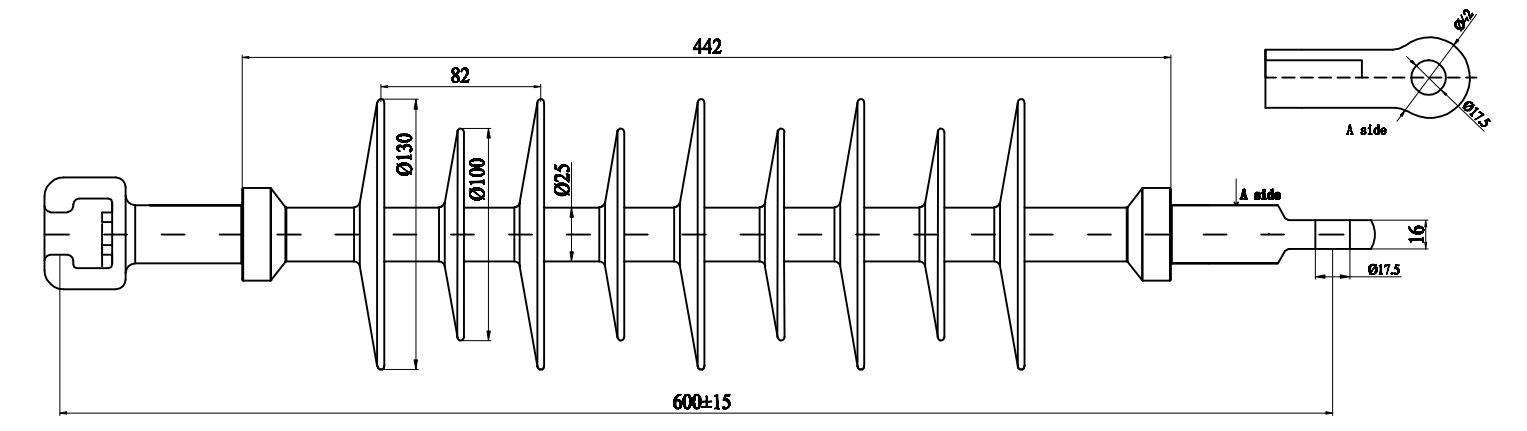
Specifications:
Product Type | Dimensions | Mechanical | Electrical | ||||||||
Height | Mini Dry | Mini | Diameter | Number of | Diameter | Specified | Routine | Rated Voltage | Lightning | Power | |
FXB-33-70WT | 605 ±10 | 450 | 1200 | 18 | 9 | 130/100 | 70 | 35 | 33 | 230 | 95 |
Order Information: | |||||||||||
Key Features & Advantages:
Superior Pollution Performance: The large-small shed profile is a critical design feature. This alternating pattern of longer and shorter "umbrellas" prevents the bridging of pollution (like dust, salt, or industrial contaminants) between sheds during wet conditions. This design significantly reduces the risk of flashover, ensuring stable operation in polluted coastal or industrial areas.
High Mechanical Strength: Rated for 70kN (approximately 7 metric tons), this insulator possesses high tensile strength, capable of withstanding significant mechanical loads from the conductor (e.g., weight, wind, ice).
Lightweight and Vandal-Resistant: Compared to traditional porcelain or glass insulators, composite insulators are significantly lighter, easing transportation and installation. The composite material is also highly impact-resistant, reducing the risk of damage from vandalism or flying debris.
Excellent Hydrophobicity: The silicone rubber housing material exhibits excellent hydrophobic (water-repelling) properties. Instead of forming a continuous conductive water film, water beads up on the surface, which further suppresses leakage current and enhances performance in humid or rainy conditions.
Long Creepage Distance: With a creepage distance of 1200mm, this insulator provides a long, protected path along its surface for electrical current to leak. This extended path is essential for preventing short circuits across the insulator when the surface is contaminated.
Manufacturing Process:
The production of this silicone suspension insulator involves advanced engineering and precise manufacturing steps:
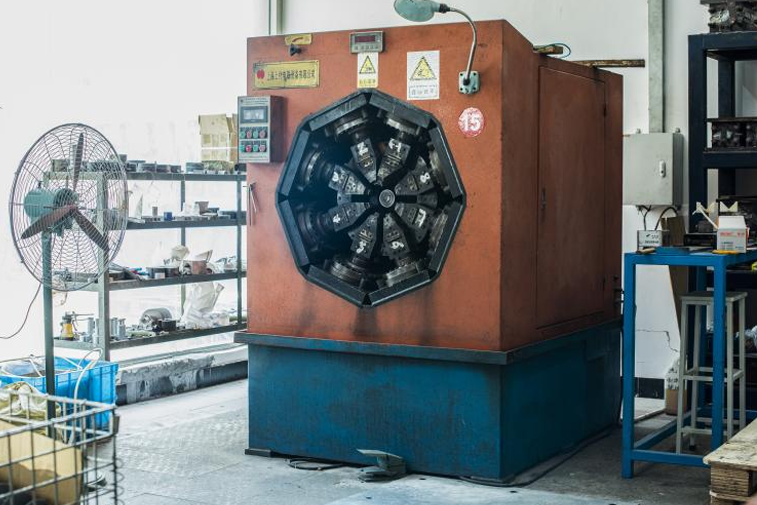
Core Manufacturing: The process begins with the Fiberglass Reinforced Plastic (FRP) rod. This rod is pultruded, a continuous process where glass fibers are pulled through a resin bath and a heated die, resulting in an extremely strong, lightweight, and non-brittle core with excellent dielectric properties.
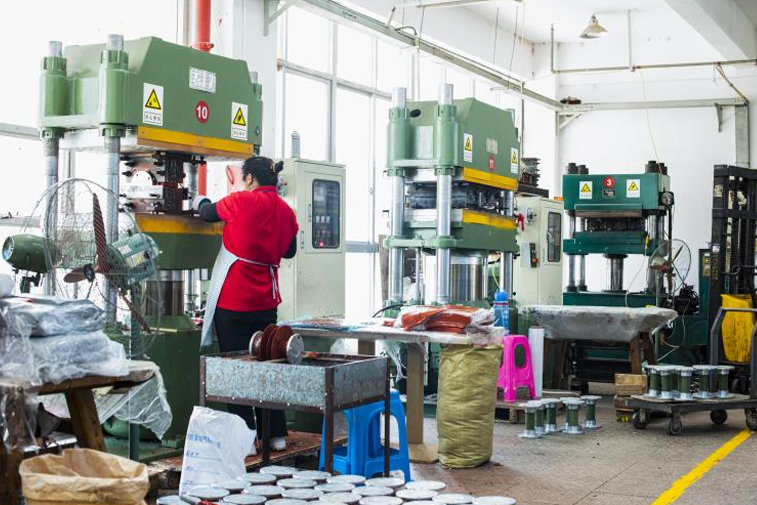
Weathershed Fabrication: The sheds (the umbrella-shaped discs) are made from High-Temperature Vulcanized (HTV) Silicone Rubber. This material is chosen for its superior tracking and erosion resistance, UV stability, and long-lasting hydrophobicity. The rubber is injection or transfer molded onto the core under high heat and pressure, forming a permanent, waterproof bond. The specific "large-small" shed profile is created during this molding process.
End Fitting Assembly: The metal end fittings (the clevis and ball/socket visible in the image) are crimped or swaged onto the ends of the FRP rod. This is a high-precision process that ensures a strong, reliable mechanical connection without compromising the integrity of the rod. The connection is often filled with a sealant to prevent moisture ingress.
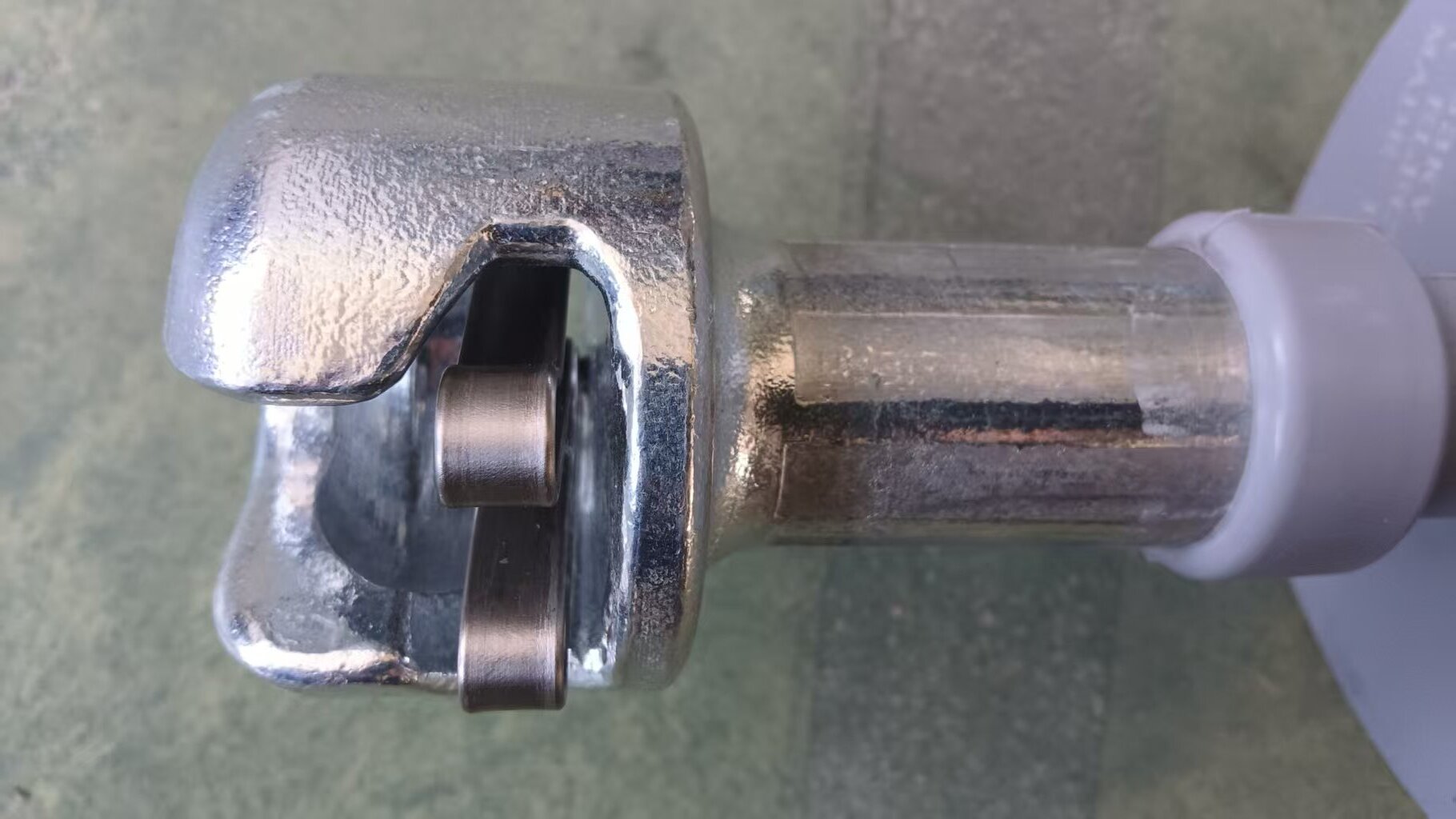
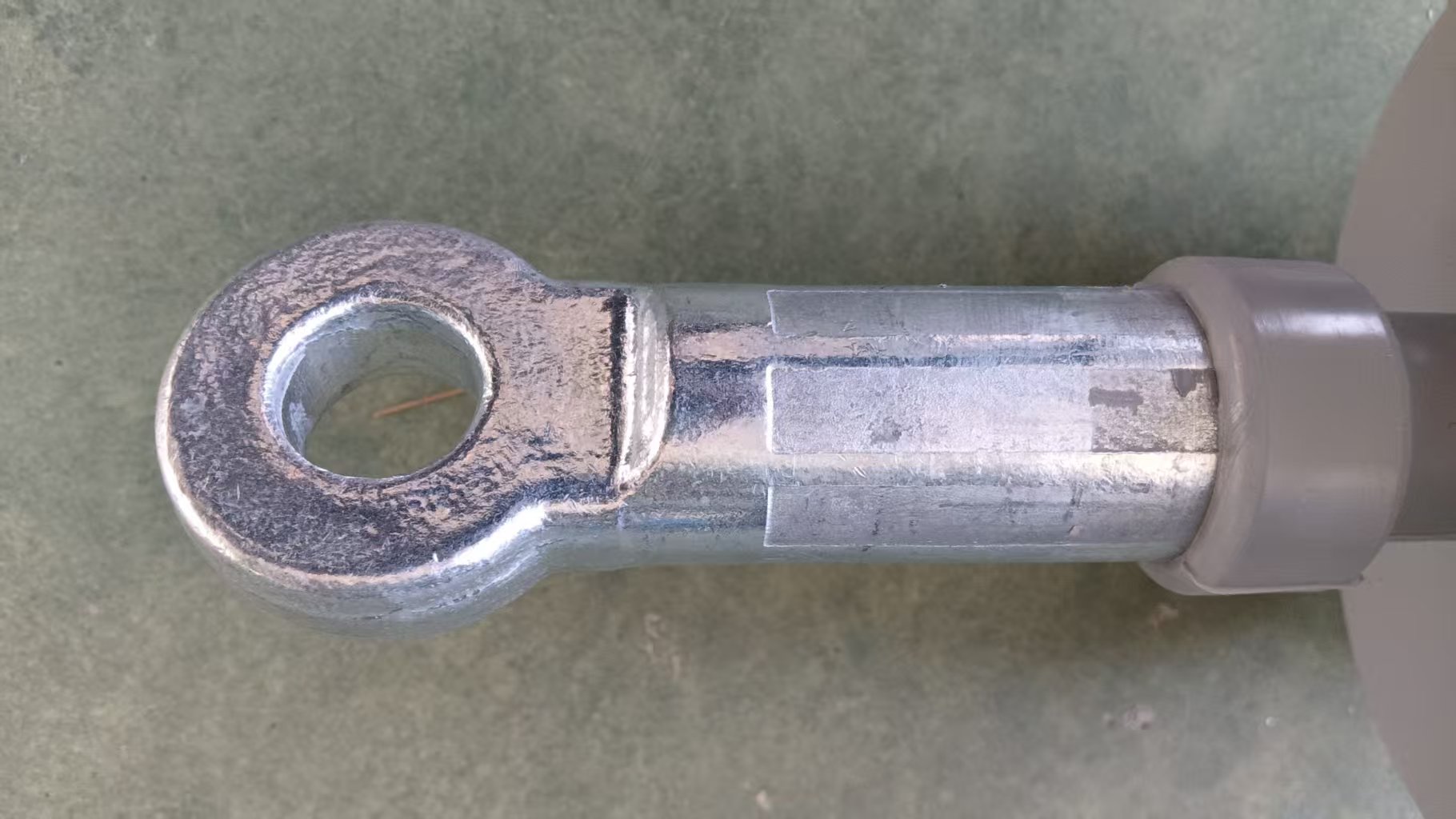
Quality Control and Testing: Each insulator undergoes rigorous testing, including:
Mechanical Load Test: Subjected to a proof load exceeding its rated strength (e.g., 50% of the ultimate load) to ensure reliability.
Electrical Tests: Including power frequency withstand voltage and impulse voltage tests to verify dielectric strength.
Water Diffusion Test: To confirm the integrity of the FRP rod and its seals against moisture penetration.
Application Scenarios:
This type of high voltage composite insulator is versatile and is commonly used in:
Suspension Applications on Transmission Lines: It is primarily used to suspend 33kV electrical conductors from transmission or distribution towers. The clevis end attaches to the tower cross-arm, while the ball/socket end connects to the conductor hardware.
Polluted Environments: Its design makes it ideal for areas with high levels of airborne contamination, such as:
Coastal Areas: Where salt mist is prevalent.
Industrial Zones: With high levels of chemical or dust pollution.
Desert Areas: Prone to sand and dust storms.
Lightning-Prone Areas: The non-ceramic construction is less prone to damage from lightning-induced surges.
Railway Electrification (OHE): Used in 25kV overhead electrification systems for railways where reliability is critical.
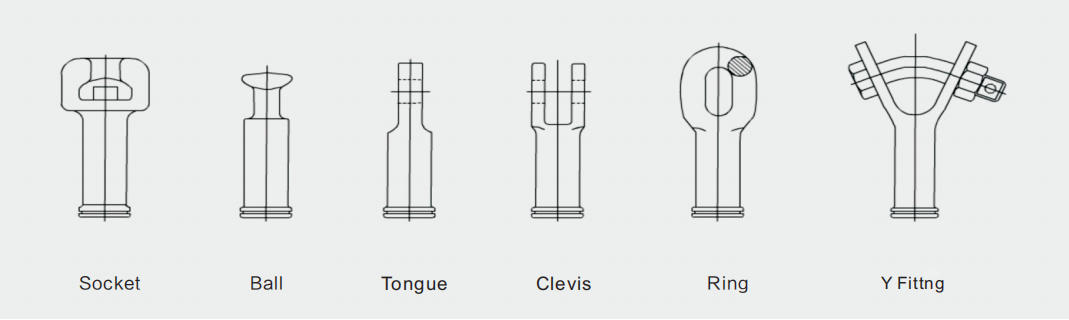
Two Ends Of Connecting Hardware List
| Attachedto the letter | WQ | WD | WU | CT | TT | UU | YQ | RR | |
| On behalfof fittings | Socket -Ball | Socket -Tongue | Socket- Clevis | Ball- Bal | Clevis-Tongue | Tongue-Tongue | Clevis- Clevis | Y-Ball | Ring-Ring |
| Connectionmark | 16-16 | 16-7 | 16-7 | 16-16 | 7-7 | 7-7 | 7-7 | 7-7 | 7-7 |
1. According to the requirements of hardware in models are indicated in the attached letter;
2. According to the requirements of users can formulate and match ends fitting;
3. Silicone rubber color gray as the default,can also choose the other colors.
4. Custom made according to customer's drawings
 |  |
 |  |
 |  |  |


