


Address
Nanzhai village, Liushi Town, yueqingCity, zhejiang Province, china
Tel
+86-13375775325

| Quantity: | |
|---|---|
Introduction:
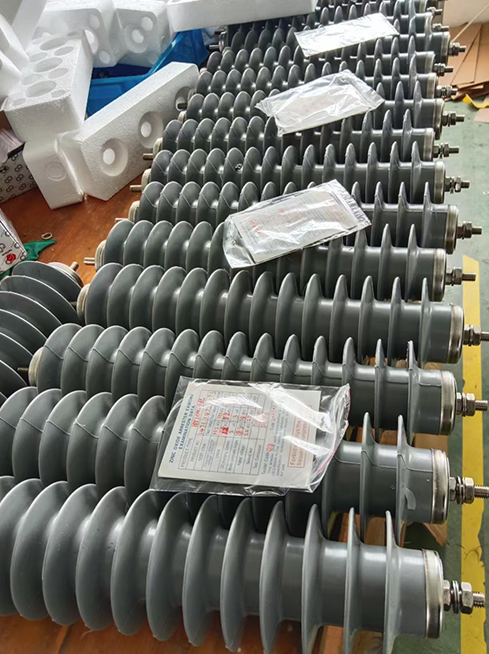
This is a 110kV, 120kN Long Rod Composite Insulator, a high-performance component designed for critical applications in electrical power transmission systems. Its primary function is to electrically isolate and mechanically support high-voltage conductors on transmission towers. The insulator is easily identifiable by its vibrant red color and features 24 sheds arranged in an alternating large-small pattern. With a substantial creepage distance of 3150mm, it is engineered to deliver exceptional reliability and pollution resistance in demanding outdoor environments.
Drawings:

Specifications:
Product Type | Dimensions | Mechanical | Electrical | ||||||||
Height | Mini Dry | Mini | Diameter | Number of | Diameter | Specified | Routine | Rated Voltage | Lightning | Power | |
FXBW-110-120 | 1240±15 | 1050 | 3150 | 24 | 24 | 142/112 | 120 | 60 | 110 | 650 | 275 |
Order Information: | |||||||||||
Key Features & Advantages:
Optimized Shed Design for Superior Performance: The 24-shed, large-small alternating profile is a key engineering feature. This design effectively increases the leakage distance and, more importantly, prevents the bridging of the sheds by water or pollution layers. This drastically reduces the risk of surface flashover, especially in contaminated or humid conditions.
High Mechanical Strength and Lightweight: Rated for a tensile load of 120kN (approximately 12 metric tons), this suspension insulator can withstand significant mechanical stresses from the conductor, including wind, ice, and dynamic loads. Despite this high strength, its composite construction makes it significantly lighter than equivalent porcelain or glass insulators, simplifying logistics, handling, and installation, thereby reducing overall costs.
Excellent Hydrophobicity and Pollution Resistance: The housing material, typically High-Temperature Vulcanized (HTV) Silicone Rubber, possesses and maintains excellent hydrophobic (water-repelling) properties. This means water beads up on the surface instead of forming a continuous conductive film, which effectively suppresses leakage currents and enhances performance in rain, fog, and polluted atmospheres.
Long Specific Creepage Distance: The creepage distance of 3150mm provides a long and protected path for electrical leakage current along the insulator's surface. This extensive path is crucial for maintaining insulation integrity in areas with high levels of airborne contamination.
Vandal and Impact Resistance: The composite material is highly resistant to shock and impact, unlike brittle ceramic insulators. This makes it less susceptible to damage from vandalism, bird strikes, or flying debris, ensuring greater long-term reliability.
Production Process and Workflow:
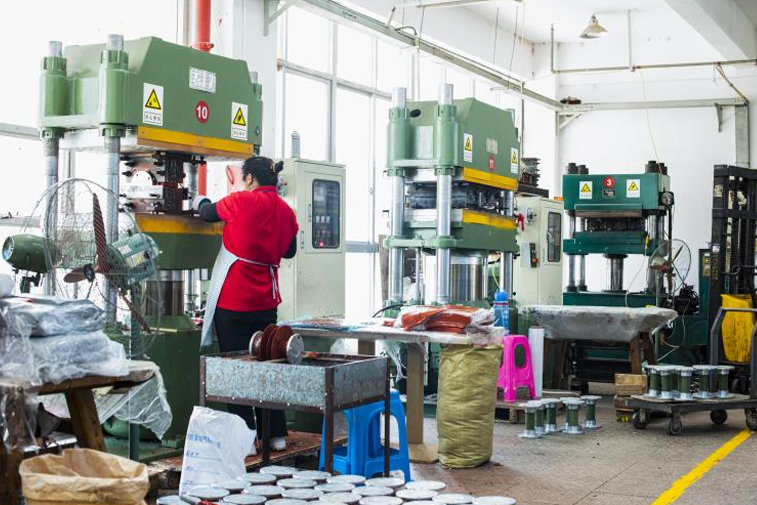
The manufacturing of this polymer tension insulator is a precise, multi-stage process with strict quality control at each step:
Material Preparation: The core materials are prepared: the Fiberglass Reinforced Plastic (FRP) rod and the HTV Silicone Rubber compound for the weathersheds and housing. The metal end fittings (e.g., ball and socket) are also manufactured and prepared.
Core Rod Manufacturing: The FRP rod is produced through a pultrusion process, where continuous glass fibers are saturated with resin and pulled through a heated die. This creates a rod with extremely high tensile strength and excellent dielectric properties.
Shed Molding and Vulcanization (Interface Bonding): This is the most critical step. The silicone rubber is injection or transfer molded directly onto the FRP rod under high temperature and pressure. This process simultaneously forms the intricate large-small sheds and creates a permanent, waterproof chemical bond between the rubber housing and the core rod. This integral interface is vital for preventing moisture ingress.
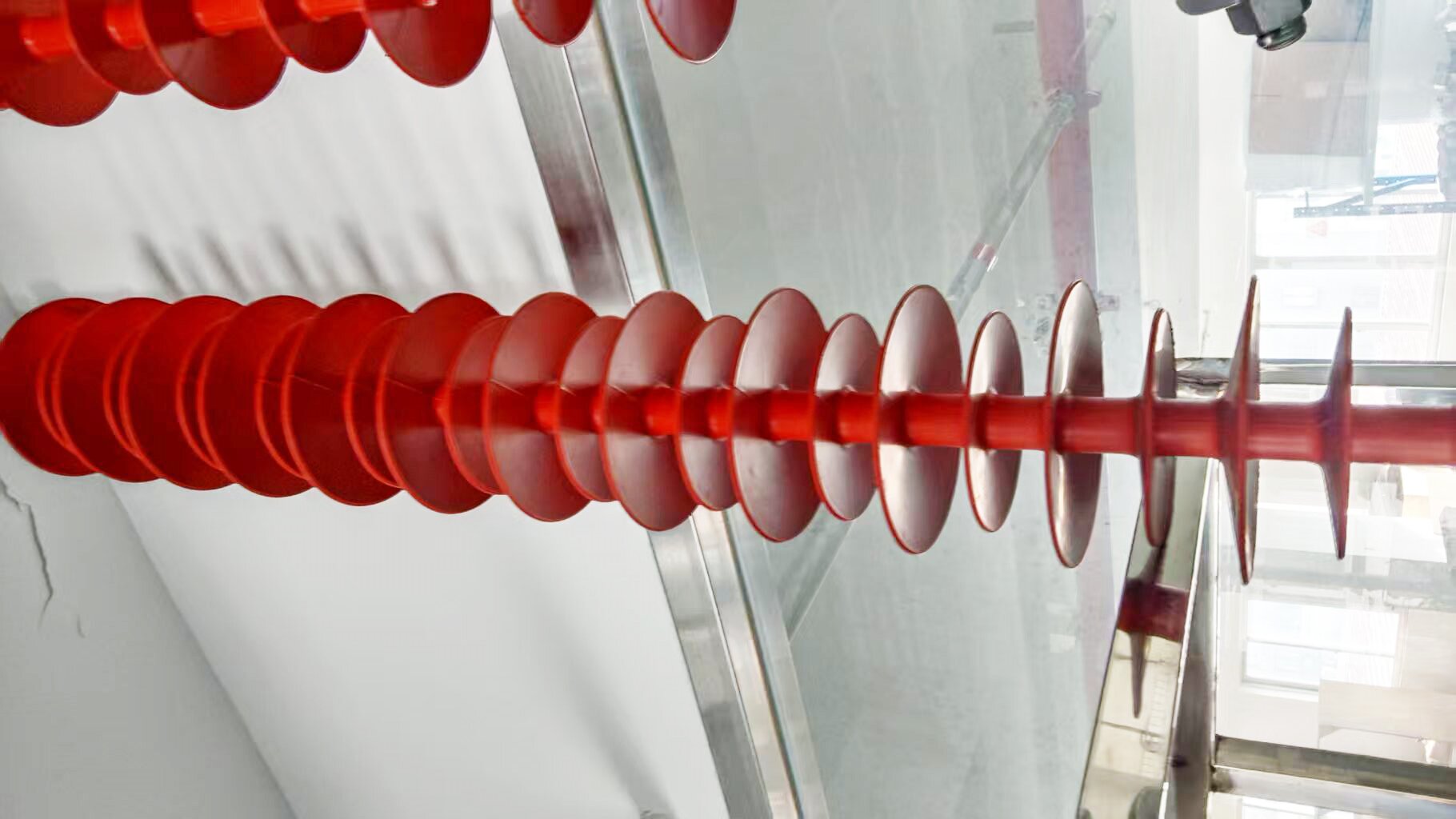
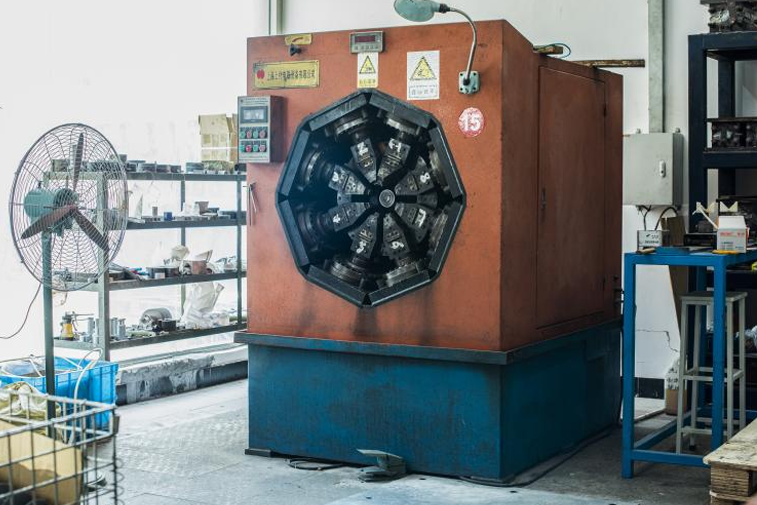
End Fitting Assembly (Crimping): The metal end fittings are attached to the ends of the FRP rod using a controlled compression crimping process. This creates a strong, reliable mechanical connection. The assembly is often sealed with adhesives to prevent moisture from penetrating the core.
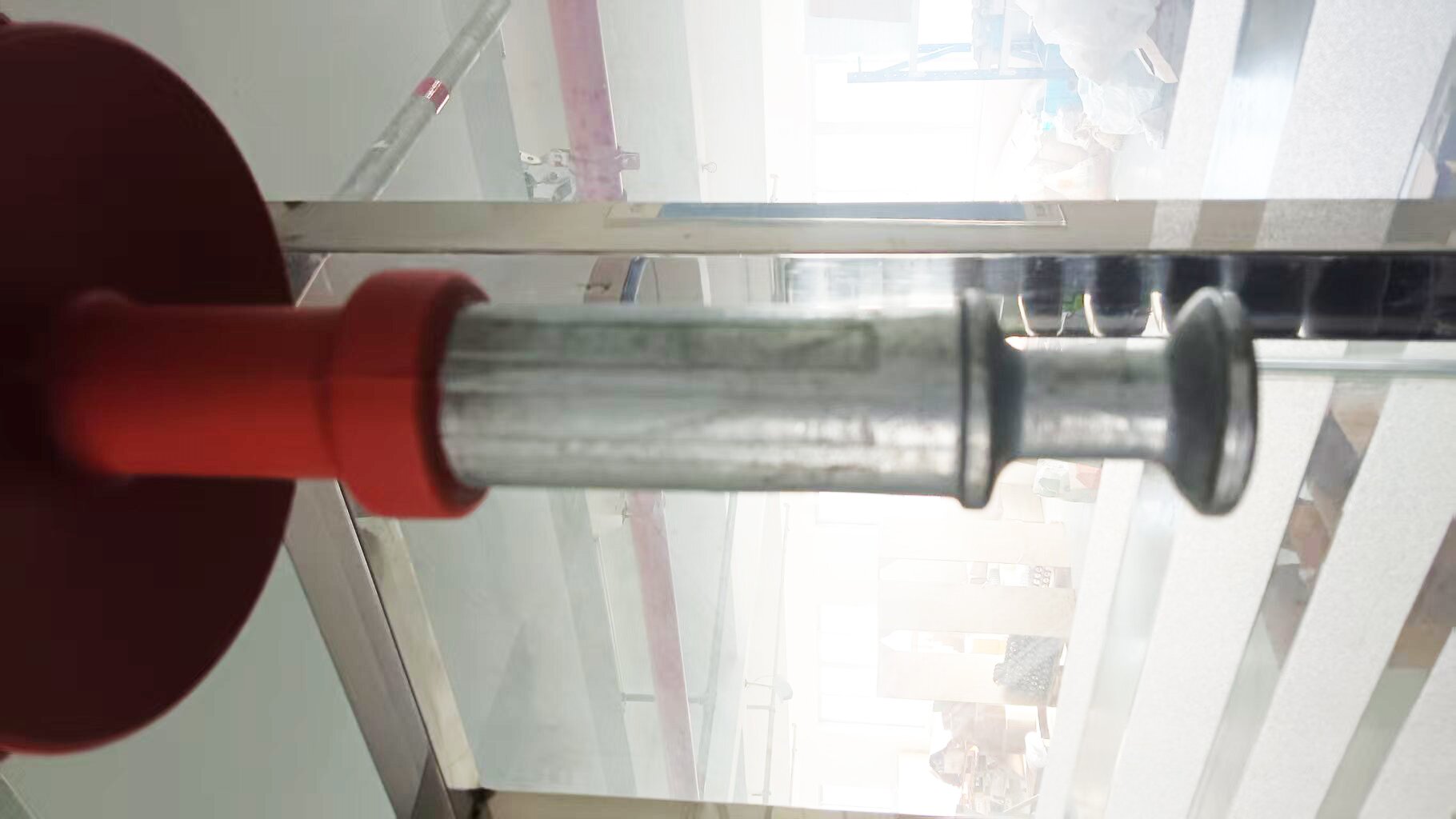
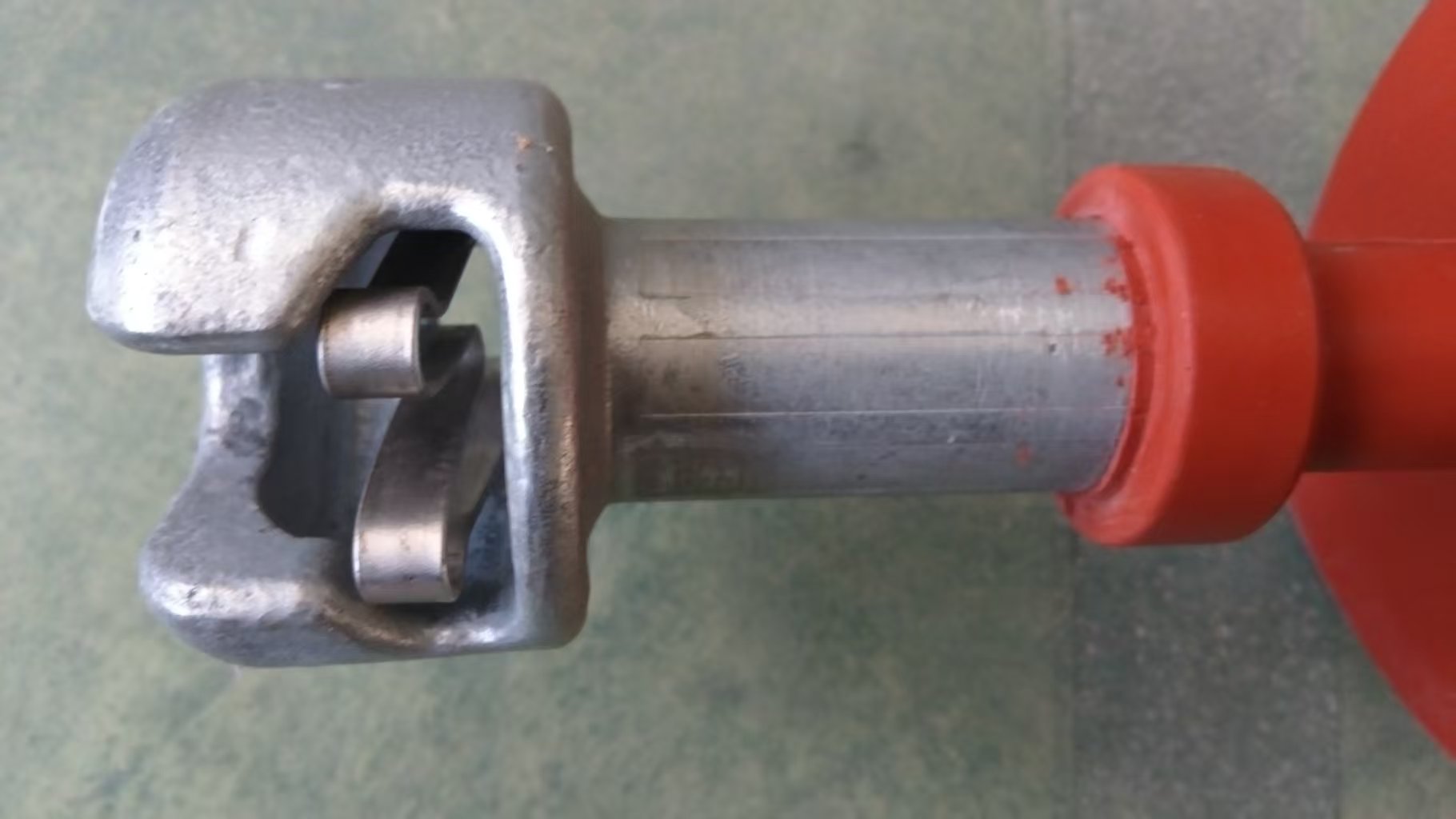
Final Assembly and Quality Control: After assembly, each insulator undergoes a series of rigorous tests. These include:
Mechanical Routine Test (MRT): Each unit is subjected to a proof load (e.g., 50% of the specified mechanical load or SML) to verify its short-term strength.
Electrical Tests: Including power frequency withstand voltage and lightning impulse tests to confirm the dielectric strength.
Water Diffusion Test (on sample basis): To ensure the sealing of the end fittings and the integrity of the core rod.
Specific Application Scenarios:
This type of high voltage composite insulator is specifically designed for:
110kV Overhead Transmission Lines: It is commonly used in suspension or tension applications on major power lines to support conductors and maintain safe clearance from the tower structure.
Heavily Polluted Environments: Its long creepage distance and hydrophobic properties make it ideal for use in:
Coastal Regions: Where salt mist is a major contaminant.
Industrial Areas: Subject to chemical fumes, dust, and ash.
Arid Regions: Prone to cement dust or sandstorms.
Critical Infrastructure: Its high reliability makes it suitable for important lines where minimal downtime is crucial, such as inter-connector lines between substations or power sources.
Areas with High Seismic Activity or Vibration: The lightweight and flexible nature of composite insulators offer better resistance to seismic events and wind-induced vibrations compared to rigid porcelain strings.
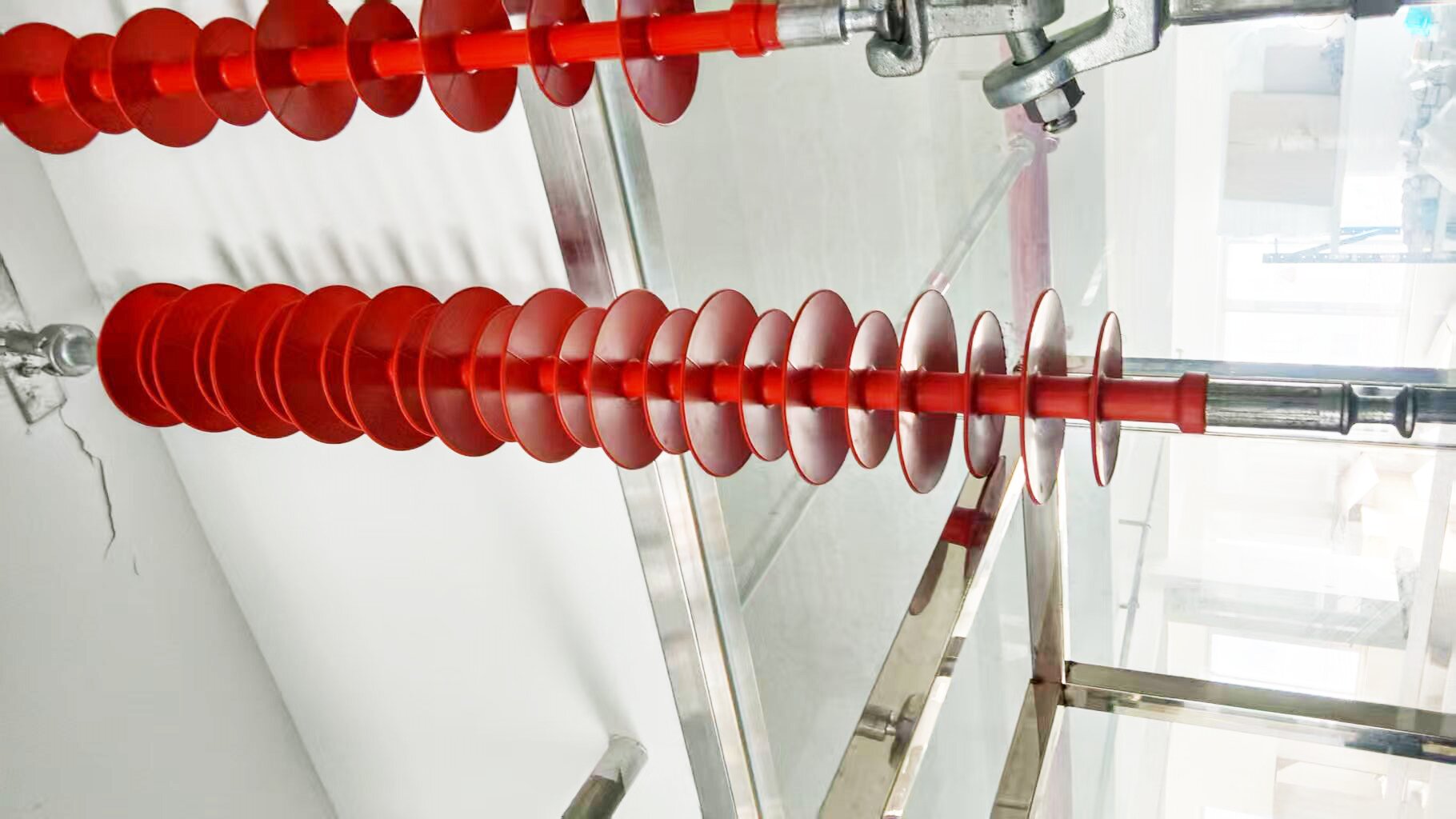
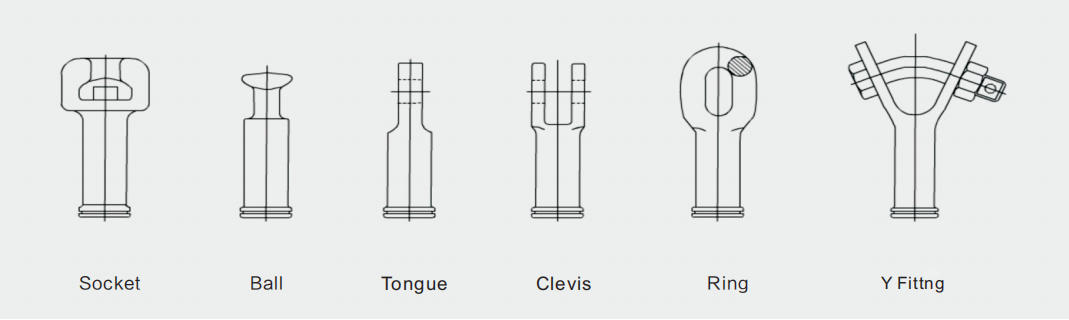
Two Ends Of Connecting Hardware List
| Attachedto the letter | WQ | WD | WU | CT | TT | UU | YQ | RR | |
| On behalfof fittings | Socket -Ball | Socket -Tongue | Socket- Clevis | Ball- Bal | Clevis-Tongue | Tongue-Tongue | Clevis- Clevis | Y-Ball | Ring-Ring |
| Connectionmark | 16-16 | 16-7 | 16-7 | 16-16 | 7-7 | 7-7 | 7-7 | 7-7 | 7-7 |
1. According to the requirements of hardware in models are indicated in the attached letter;
2. According to the requirements of users can formulate and match ends fitting;
3. Silicone rubber color gray as the default,can also choose the other colors.
4. Custom made according to customer's drawings
 |  |
 |  |
 |  |  |


