


Address
Nanzhai village, Liushi Town, yueqingCity, zhejiang Province, china
Tel
+86-13375775325

| Quantity: | |
|---|---|
Introdution:
This is a Grey, 5-Shed Pin Composite Insulator, engineered for robust performance in medium-voltage electrical distribution systems. With a rated voltage of 15 kV and a high mechanical failing load strength of 12 kN, it is designed to provide reliable insulation and structural support for overhead power lines and electrical equipment. The key design feature is its optimized shed profile, which achieves a substantial creepage distance of 500 mm, making it exceptionally suitable for areas prone to pollution, dust, salt fog, and humidity.
Drawings:

Specifications:
Product Type: | FPW-15-12.5 |
Height(mm): | 275± 10 |
Min Dry Arcing Distance(mm): | 210 |
Min Creepage Distance(mm): | 500 |
Diameter of the rod(mm): | 38 |
Number of sheds: | 5 |
Sheds of diameter(mm): | 140/110 |
Screw diameter/ Screw length(mm): | M22/140 |
Rated Bending Load(kN): | 12.5 |
Rated Voltage(kV): | 15 |
Lightning Impulse Withstand Voltage(kV): | 105 |
Power Frequency Withstand Voltage(kV): | 50 |
Key Features and Design Advantages:
Optimized Shed Profile (Big-Small Design): The five umbrella-shaped sheds are not identical. The alternating larger and smaller shed diameters are a critical engineering feature. This design effectively increases the surface leakage path (creepage distance) without unnecessarily increasing the insulator's height. It also promotes better water shedding during rain, preventing the formation of a continuous water film that could cause a short circuit.
High Pollution Resistance (500mm Creepage Distance): The 500 mm creepage distance is a standout feature for a 15 kV distribution pin insulator. This long, protected path along the composite insulator's surface is essential for preventing "flashovers"—unintended electrical discharges across the surface—which are a common failure mode in industrial, coastal, or agricultural areas where contamination can build up.
Robust Mechanical Strength (12 kN): With a mechanical strength rating of 12 kilonewtons (approximately 1.2 metric tons), this insulator can withstand significant mechanical loads, including conductor weight, ice accumulation, and strong wind forces. This ensures long-term structural integrity and reliability.
Composite Material Construction: Unlike traditional porcelain or glass insulators, this unit is made from a modern composite material, typically featuring:
Core: A rod of Fiberglass-Reinforced Plastic (FRP) for exceptional tensile strength.
Housing & Sheds: A grey housing made of silicone rubber or a similar polymer. This material is hydrophobic (water-repellent), resistant to UV radiation, and provides excellent resistance to tracking and erosion.
Lightweight and Vandal-Resistant: Composite insulators are significantly lighter than their porcelain equivalents, making them easier and safer to handle and install. The polymer material is also more resistant to impact damage.
Corrosion-Resistant End Fittings: The insulator is equipped with durable metal fittings (a flanged cap at the top and a threaded pin at the bottom), typically made from hot-dip galvanized steel or aluminum alloy, to prevent corrosion and ensure a secure connection.
Production Process:
The manufacturing of this high voltage pin insulator involves a high-precision process:
Core Production: A fiberglass rod is impregnated with resin and cured to form the high-strength FRP core, which is then ground to a precise diameter.
Molding of Housing/Sheds: The grey polymer housing (e.g., silicone rubber) is injection molded or pressure-cured directly onto the FRP core. In this step, the 5-shed profile is formed in a single, seamless unit to prevent moisture ingress.

End Fitting Assembly: The metal end fittings are meticulously assembled to the core, typically using a controlled compression or crimping technique. This creates a strong, permanent mechanical and electrical connection.


Quality Control and Testing: Each insulator undergoes rigorous testing, including:
Electrical Test: Power frequency withstand and impulse voltage tests to verify the 15 kV rating.
Mechanical Test: A tensile test to confirm the 12 kN rating.
Other Tests: Checks for partial discharge, thermal cycle performance, and water diffusion.
Application Scenarios:
This type of silicone rubber pin insulator is versatile and widely used in various medium-voltage applications:
Overhead Distribution Lines (11kV / 15kV systems): Serving as a post insulator on utility poles to support and insulate conductors from the cross-arm.
Pole-Mounted Equipment: Providing insulation and support for distribution transformers, switchgear, reclosers, and cable terminations.
Industrial and Mining Power Supplies: Ideal for harsh environments where dust, chemical pollution, or mechanical stress are concerns.
Coastal Areas: Its long creepage distance and hydrophobic surface make it perfect for locations exposed to salt fog.
Railway Electrification Systems (Overhead Catenary): Used to insulate and support overhead wires for railway power supplies.

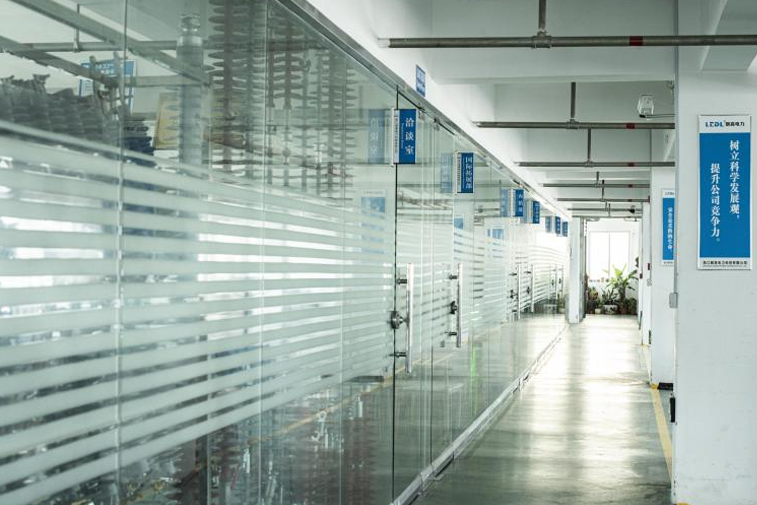
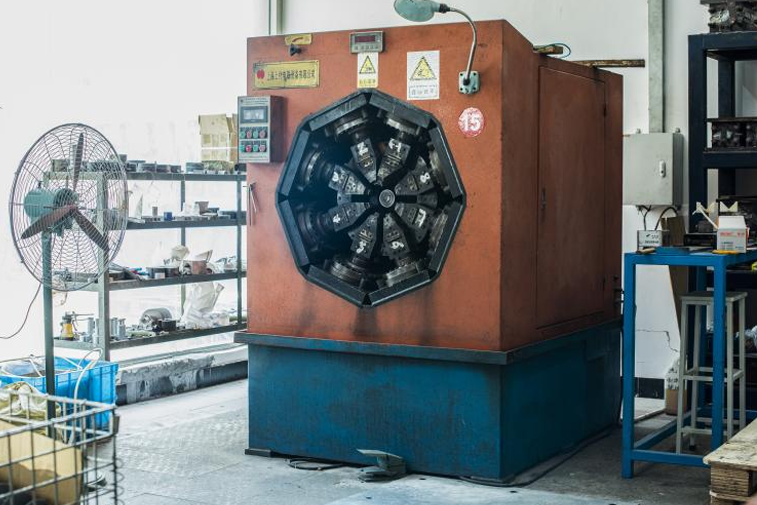
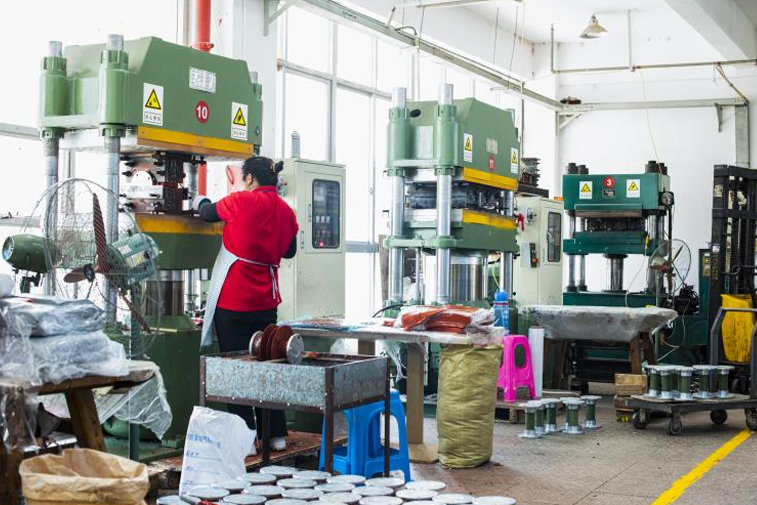
Company Strength:
 |  |
 |  |
 |  |  |


