


Address
Nanzhai village, Liushi Town, yueqingCity, zhejiang Province, china
Tel
+86-13375775325

| Quantity: | |
|---|---|
Introduction:
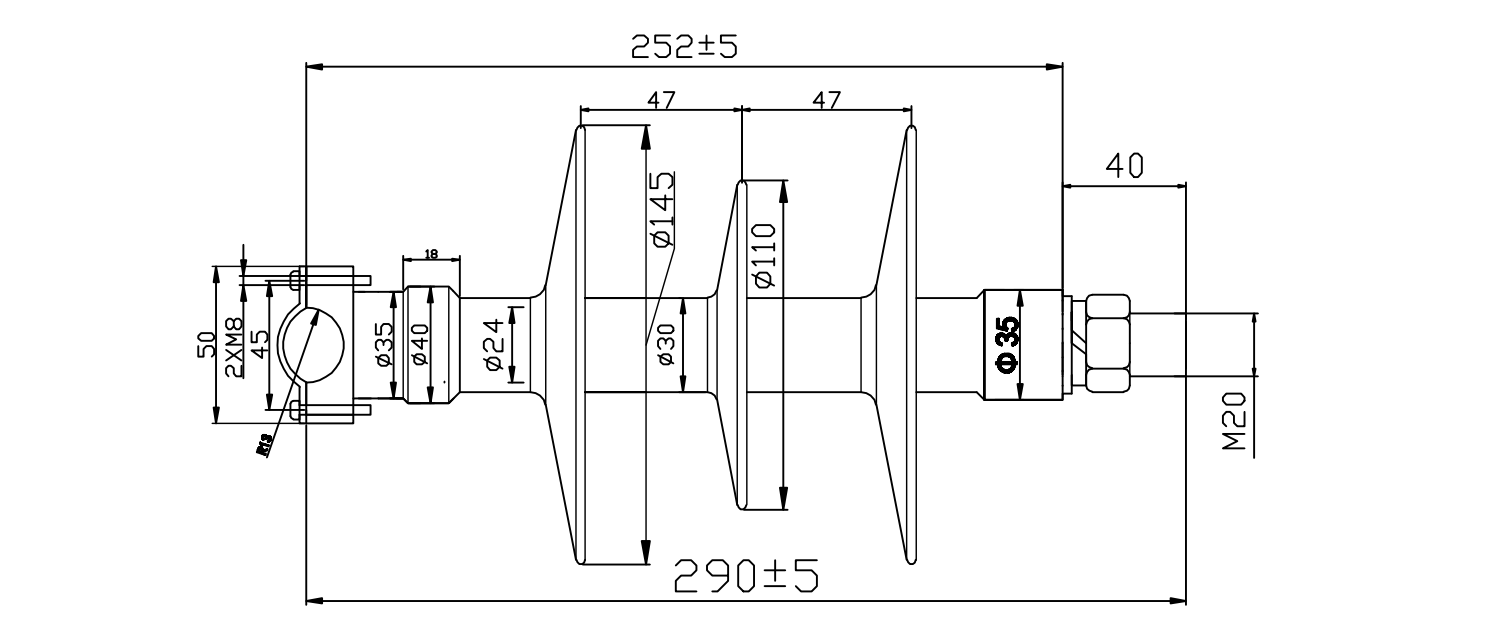
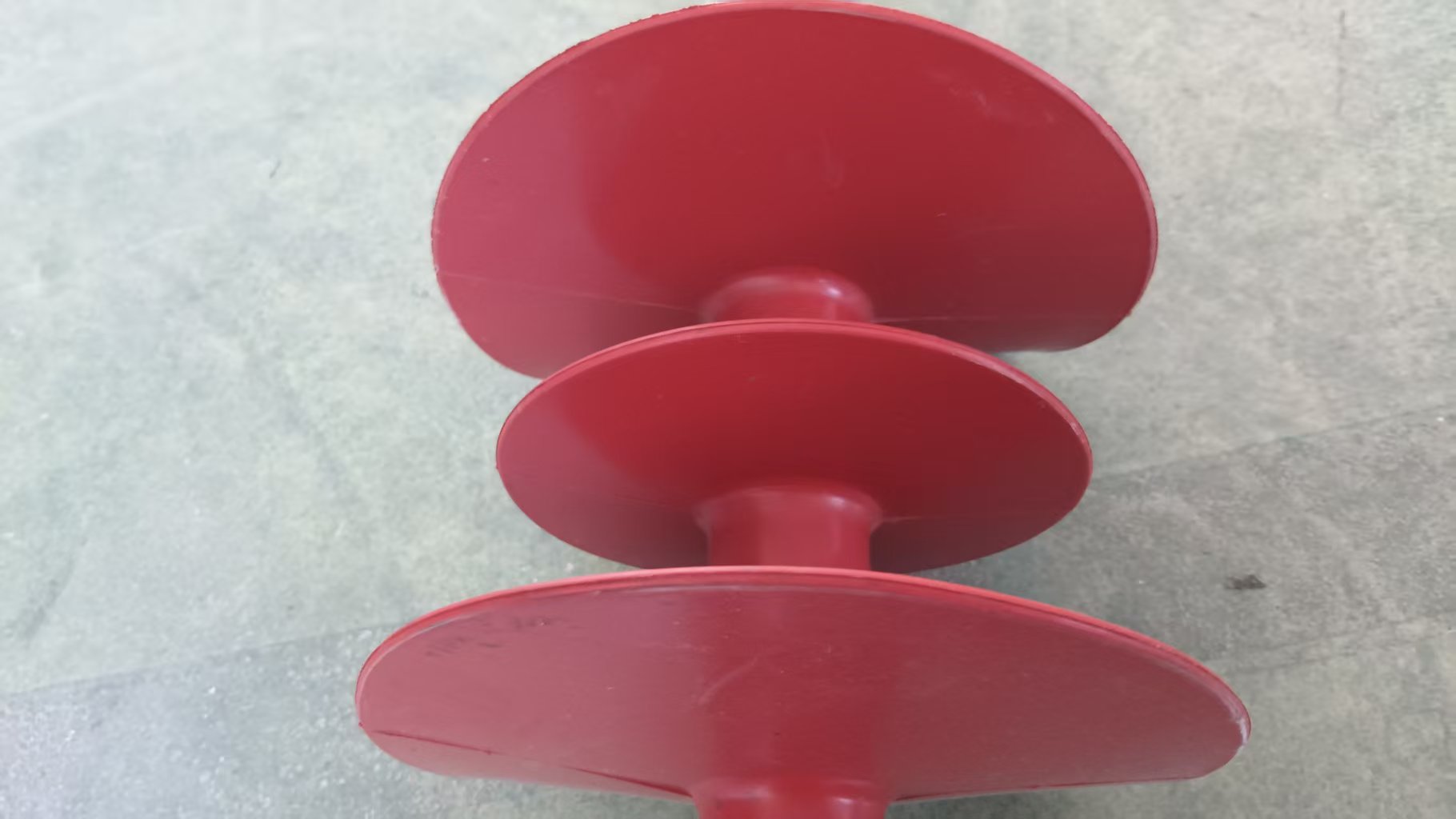
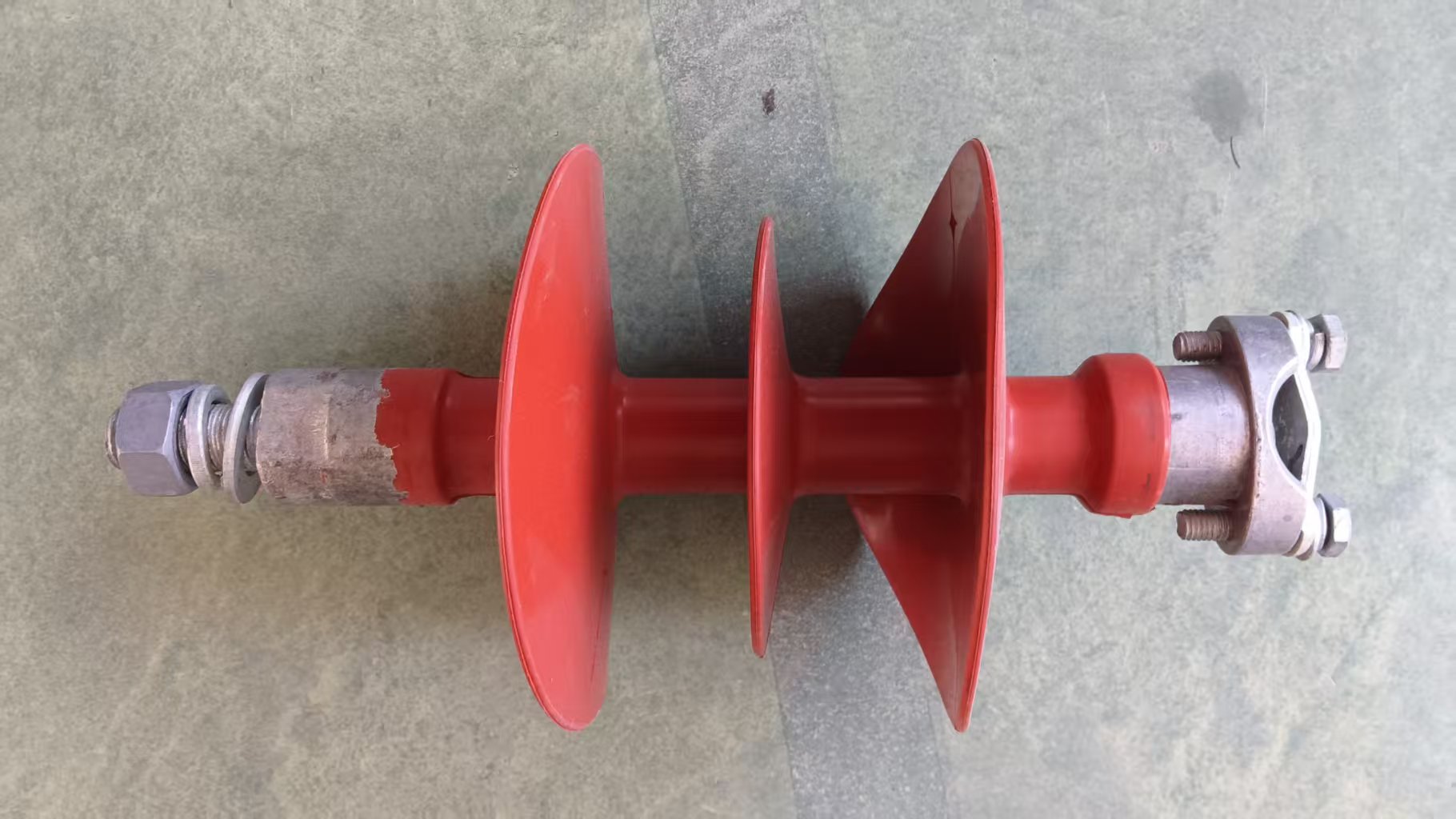
This is a 10kV pin-type composite insulator. It features a core design comprising three distinctive red sheds arranged in a large-small alternating pattern. This silicone pin insulator is engineered with a rated bending load of 3kN and a specified creepage distance of 450mm. It serves as a critical component in electrical power systems, providing essential insulation and mechanical support between live conductors and grounded structures like transmission towers.
Drawings:
Specifications:
Product Type: | FPQ-10-5 three sheds |
Height(mm): | 252± 10 |
Min Dry Arcing Distance(mm): | 210 |
Min Creepage Distance(mm): | 450 |
Diameter of the rod(mm): | 24 |
Number of sheds: | 3 |
Sheds of diameter(mm): | 145/110 |
Screw diameter/ Screw length(mm): | 20~22/40~300 |
Rated Bending Load(kN): | 5 |
Rated Voltage(kV): | 10 |
Lightning Impulse Withstand Voltage(kV): | 105 |
Power Frequency Withstand Voltage(kV): | 50 |
Features:
Excellent Hydrophobicity: The red sheds are made from high-performance polymer materials (like silicone rubber) that exhibit superior hydrophobic (water-repellent) properties. This prevents the formation of a continuous water film on the surface, significantly reducing leakage current and the risk of flashover, especially in wet or polluted conditions.
Large-Small Shed Design: This alternating shed profile is a key feature. It effectively increases and optimizes the creepage distance—the path along the surface that leakage current must travel. This design enhances pollution performance, improves self-cleaning ability by facilitating water runoff, and provides better insulation reliability.
High Mechanical Strength: With a rated cantilever (bending) load of 3kN, the insulator demonstrates robust mechanical performance, capable of withstanding mechanical stresses from conductor weight, wind, and ice loads.
Lightweight and Durable: Compared to traditional porcelain or glass insulators, composite insulators are significantly lighter, easing transportation and installation. They are also resistant to vandalism, corrosion, and have excellent anti-aging characteristics.
Production Process:
The manufacturing of this pin insulator typically involves the following key stages:
Material Preparation: This involves preparing the core components: the fiberglass reinforced polymer (FRP) rod for mechanical strength, high-temperature vulcanized (HTV) silicone rubber for the sheds and housing, and the metal end fittings (galvanized iron or aluminum).
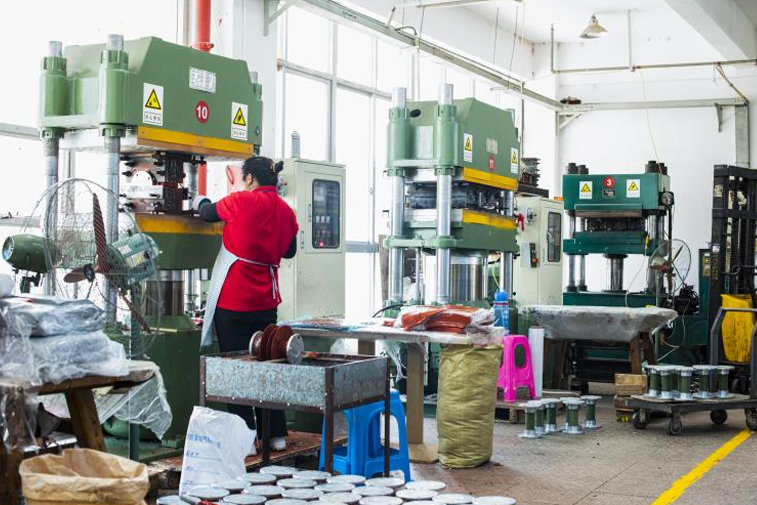
Molding of Composite Body: The FRP rod is sheathed with the silicone rubber housing. The sheds are integrally molded onto this housing through an injection or compression molding process under heat and pressure, creating a permanent, waterproof bond between all components. The large-small shed pattern is formed in this mold.
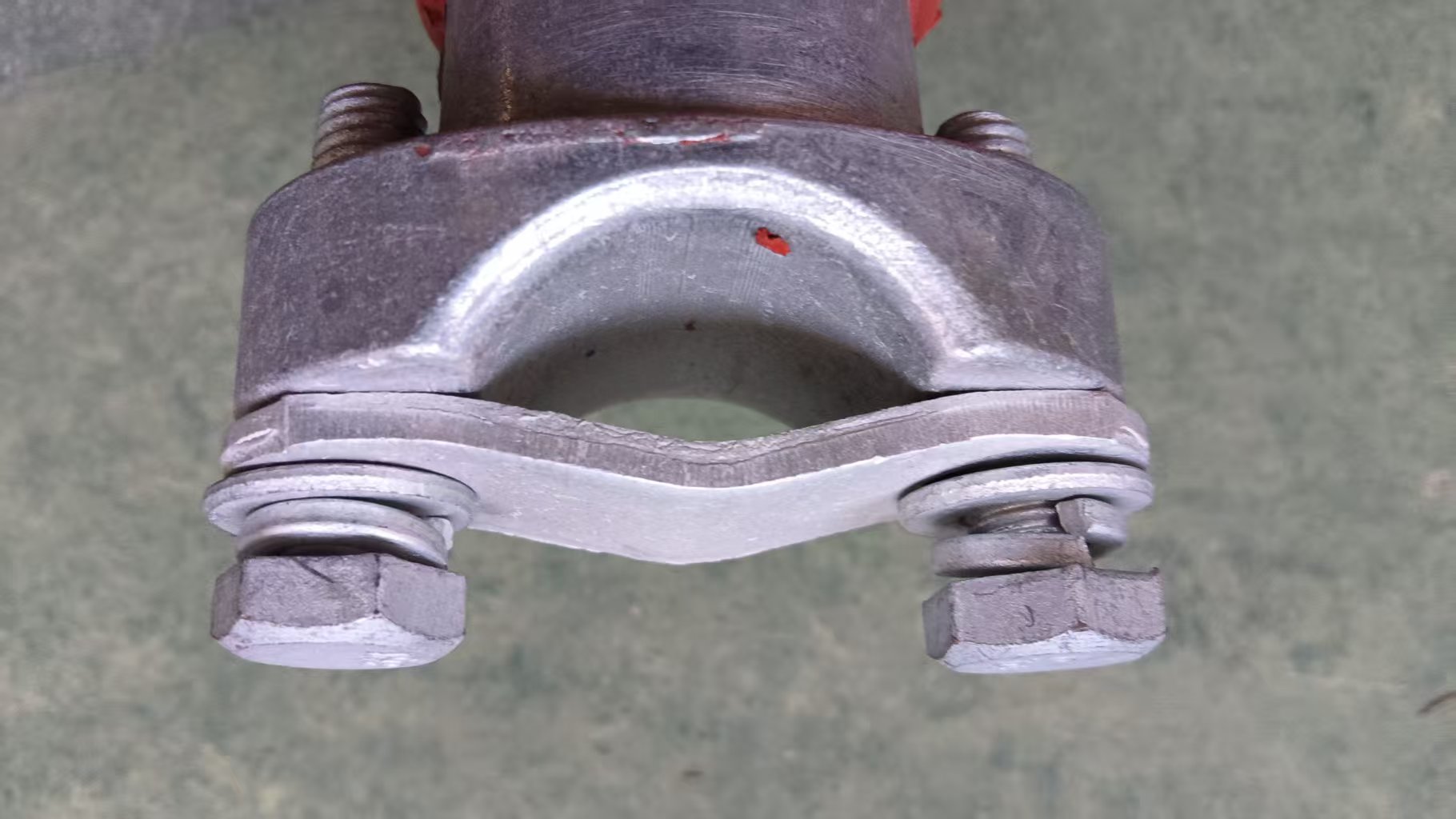
Assembly and Crimping: The metal end fittings (the pin at the bottom and the cap at the top) are precisely assembled onto the FRP rod ends. They are then permanently attached, usually through a controlled crimping process, ensuring a strong mechanical connection.
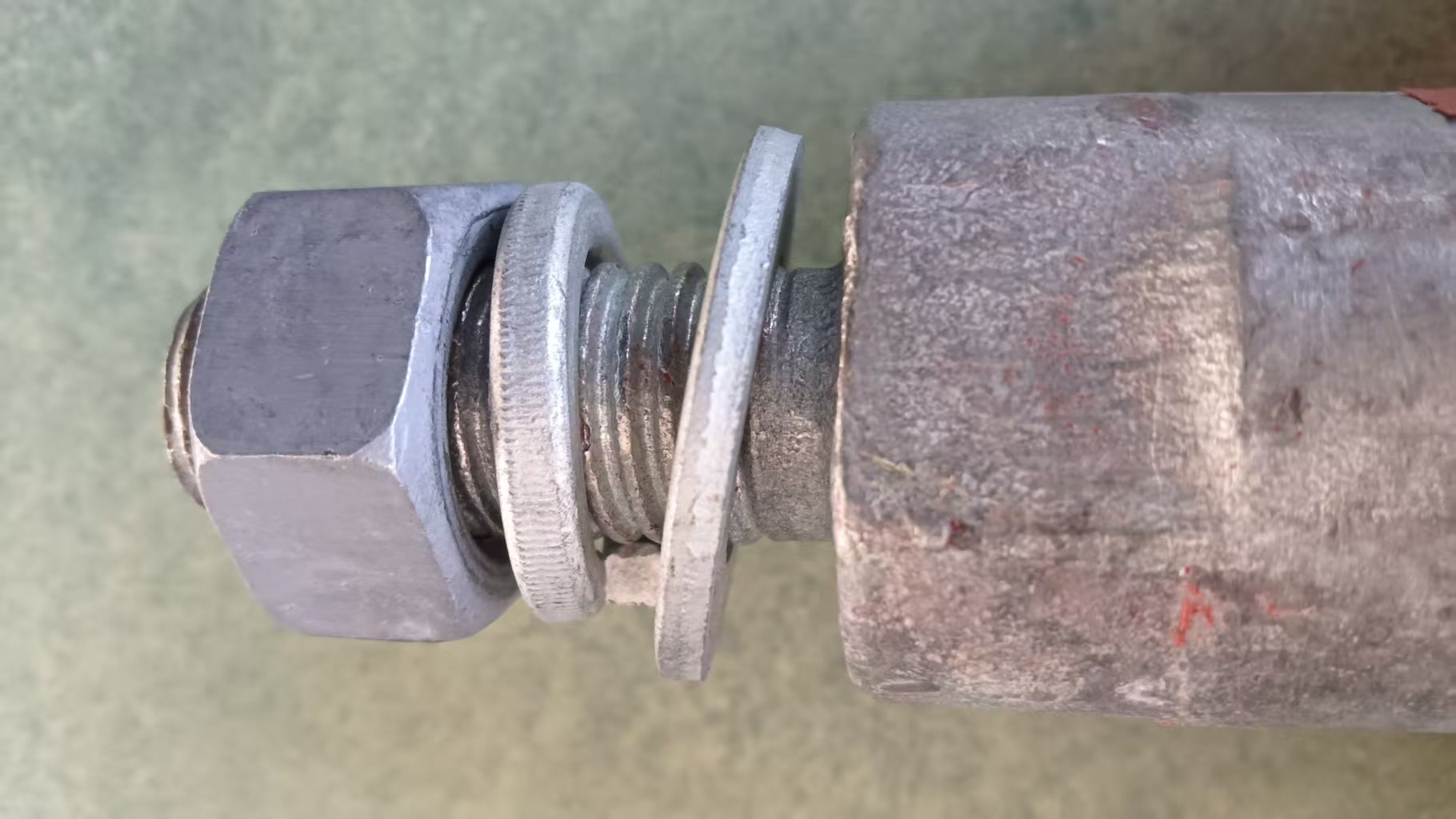
Surface Treatment & Vulcanization: The assembled unit undergoes further vulcanization to complete the curing of the silicone rubber. The metal fittings are often hot-dip galvanized for corrosion protection.
Quality Inspection: Each insulator undergoes rigorous testing, including visual checks, dimensional verification, mechanical load tests (like proof load tests), and electrical tests (such as power frequency withstand voltage tests) to ensure it meets all specified standards for the 10kV, 3kN, 450mm creepage distance rating.
Application Scenarios:
This type of high voltage insulator is widely suitable for:
Overhead Power Distribution Lines: Ideal for 10kV overhead transmission and distribution lines in both urban and rural areas.
Polluted Environments: Its hydrophobic properties and creepage design make it highly effective in areas with industrial pollution, coastal salt fog, or desert dust.
General Insulation & Support: Its primary function is to provide reliable electrical insulation and mechanical support, isolating the live conductor from the grounded pole or tower structure.
Line Retrofitting and New Construction: Used in new projects or as a replacement for traditional insulators to improve line reliability and reduce maintenance.
Company Strength:
 |  |
 |  |
 |  |  |


