


Address
Nanzhai village, Liushi Town, yueqingCity, zhejiang Province, china
Tel
+86-13375775325
Views: 0 Author: Site Editor Publish Time: 2026-04-14 Origin: Site
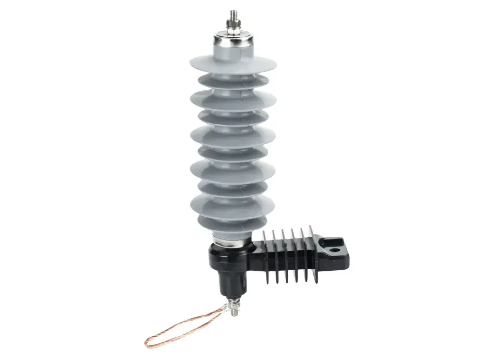
Surge arresters, also known as surge protectors or lightning arresters, are vital components in electrical systems. They serve to protect electrical equipment and infrastructure from transient voltage spikes or surges caused by various factors such as lightning strikes, power grid switching, and other disturbances in the electrical network. These surges can damage sensitive equipment, disrupt operations, and lead to expensive repairs, making surge arresters essential for safeguarding electrical systems and ensuring their longevity.
In this article, we will explore the primary purpose of surge arresters, their types, how they work, their applications, and why they are indispensable in modern electrical systems. Additionally, we will examine factors to consider when choosing a surge arrester and how companies like Zhejiang Langao Power Technology Co., Ltd. provide high-quality surge protection solutions.
A surge is a sudden, brief increase in the electrical voltage in a system, often caused by an external event like a lightning strike, a switchgear malfunction, or a power grid issue. These voltage surges can last from microseconds to milliseconds but are powerful enough to damage electronic circuits and components, leading to failures or even fires in extreme cases. Surges can happen anywhere in an electrical network, from high-voltage power lines to low-voltage systems in homes or businesses.
While the magnitude of these voltage spikes can vary, even low-intensity surges can gradually degrade sensitive equipment over time, resulting in malfunction or premature failure. Therefore, surge protection is necessary to prevent damage and ensure safe and reliable operation.
Surge arresters are electrical devices that protect systems and equipment from the harmful effects of voltage surges. Their role is to limit the excess voltage that enters a system during a surge, diverting it safely to the ground. This helps prevent equipment damage, operational downtime, and safety hazards.
Here’s a deeper dive into the purpose and critical role of surge arresters:
The primary purpose of surge arresters is to protect sensitive electrical equipment from the damaging effects of voltage spikes. Modern electrical systems contain a wide range of delicate devices, such as computers, servers, transformers, industrial machinery, and communication systems. A sudden surge in voltage can cause these devices to fail or malfunction, resulting in expensive repairs or replacements.
For example, in data centers or critical communication systems, a surge can result in the loss of valuable data or disrupt communication services. Surge arresters are specifically designed to absorb or redirect this excessive voltage, ensuring that these sensitive systems continue to function properly.
Surge arresters play a crucial role in ensuring the safety of individuals who work with electrical systems. Without surge protection, voltage spikes can pose serious risks, including electrical fires, equipment explosions, and electrical shocks to workers. For instance, a power surge might trigger a fire in a poorly protected electrical panel or cause an electrical shock when operators interact with sensitive machinery.
By protecting electrical systems from harmful surges, surge arresters help prevent these dangerous situations, ensuring that the workplace remains safe for all personnel.
Voltage surges can lead to operational disruptions, particularly in industries that rely heavily on electrical systems. A surge could cause immediate shutdowns or failure of machinery, resulting in downtime, loss of productivity, and missed deadlines. These disruptions can be costly, especially in industries like manufacturing, utilities, and communications, where downtime can cause significant financial losses.
Surge arresters reduce the likelihood of such disruptions by ensuring that voltage surges are safely diverted without affecting the overall operation of electrical systems. This helps maintain smooth and continuous operations, even in the event of a surge.
Power distribution systems, such as transformers and circuit breakers, are often vulnerable to voltage spikes, especially during extreme weather events like thunderstorms. These surges can damage critical infrastructure and cause power outages, affecting entire communities or regions.
Surge arresters protect power distribution systems by redirecting excess voltage to the ground, preventing it from reaching critical components. This ensures the longevity and reliability of power grids and reduces the risk of widespread electrical failures.
Surge arresters work by providing a safe pathway for excess voltage to travel through during a surge. They operate on the principle of diverting the energy from the surge away from sensitive electrical components and into the ground, where it can be safely dissipated.
Surge arresters typically consist of two main components: a voltage-limiting device and a grounding path. The voltage-limiting device, often a Metal Oxide Varistor (MOV) or a Gas Discharge Tube (GDT), is responsible for detecting the surge and providing a low-resistance path for the excess voltage to flow. Once the surge is diverted to the ground, the arrester returns to its normal state.
MOV surge arresters are the most commonly used type of arrester in modern electrical systems. MOVs are made of a metal-oxide material that changes its resistance based on the applied voltage. When the voltage exceeds a certain threshold, the MOV’s resistance decreases, allowing the surge to pass through the arrester and into the ground.
MOV surge arresters are ideal for protecting low and medium-voltage systems, including residential and commercial installations.
GDT surge arresters are typically used for higher voltage systems, such as telecommunication lines, power distribution systems, and industrial equipment. The GDT contains a gas-filled tube that ionizes when a surge occurs, creating a low-resistance path for the surge to flow to the ground. GDT arresters can handle larger energy levels than MOVs and are commonly used for protecting equipment in outdoor environments or areas with high lightning activity.
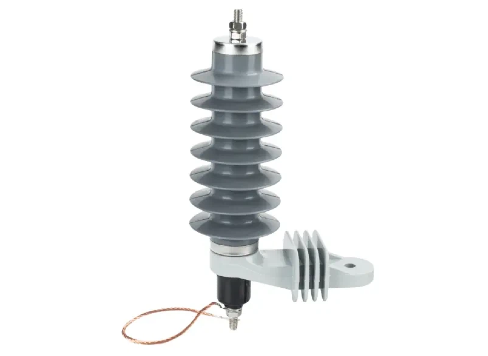
Surge arresters come in various designs to suit different voltage levels, applications, and environments. Below is a table outlining some of the common types of surge arresters and their respective applications:
Type of Surge Arrester | Application | Key Features |
Low Voltage Surge Arrester | Protects household electronics, appliances, and small-scale electrical systems. | Compact, easy to install, suitable for protecting residential and commercial systems. |
Medium Voltage Surge Arrester | Used in industrial systems, commercial buildings, and substations. | Higher energy absorption, designed for medium voltage grids. |
High Voltage Surge Arrester | Used for power transmission lines, large industrial systems, and substations. | Handles extreme voltages, ideal for power transmission systems. |
Surge Protective Device (SPD) | Installed at the main electrical panel of homes and businesses to protect circuits. | Simple installation, cost-effective for basic surge protection. |
MOV Surge Arrester | Common in residential, commercial, and light industrial applications. | Fast response time, cost-effective, suitable for low to medium-voltage systems. |
GDT Surge Arrester | Used in telecommunications, high-voltage power systems, and sensitive equipment. | High surge capacity, long-lasting, ideal for outdoor and industrial use. |
When selecting a surge arrester for a particular application, it’s important to consider several factors to ensure optimal protection. These factors include:
Voltage Rating: Ensure that the surge arrester matches the voltage level of the system it will protect. Using an arrester with an incorrect voltage rating may result in ineffective surge protection.
Energy Absorption Capacity: Surge arresters are rated based on how much energy they can absorb before they fail. It’s important to choose an arrester with a high enough energy absorption rating to handle potential surges in your system.
Response Time: A surge arrester’s response time is crucial in preventing damage to equipment. The faster the response time, the less time the equipment is exposed to harmful surges.
Environmental Factors: Consider the environmental conditions where the arrester will be installed. For instance, outdoor installations may require arresters that are resistant to weather conditions, moisture, and temperature fluctuations.
Compliance with Standards: Surge arresters should comply with industry standards and regulations, such as IEC or UL standards, to ensure they meet the necessary safety and performance criteria.
Surge arresters are essential devices that play a key role in protecting electrical systems from transient voltage surges. By absorbing and redirecting excess voltage, surge arresters prevent damage to sensitive equipment, safeguard personnel, and ensure the continuity of operations. Whether for residential, commercial, or industrial applications, surge arresters provide vital protection against the disruptive effects of voltage spikes caused by lightning, power grid issues, and other electrical disturbances.
For those in need of reliable surge protection solutions, Zhejiang Langao Power Technology Co., Ltd. offers a range of high-quality surge arresters designed to meet the needs of various industries. Their commitment to providing efficient, cost-effective, and durable products ensures that your electrical systems remain safe and operational.
Q: What is the main purpose of a surge arrester?
A: The main purpose of a surge arrester is to protect electrical systems and equipment from voltage surges, such as those caused by lightning strikes or power grid disturbances, by diverting excess voltage to the ground.
Q: How does a surge arrester work?
A: A surge arrester detects voltage surges and provides a low-resistance path for the surge to flow to the ground, preventing it from damaging sensitive equipment or disrupting electrical systems.
Q: What types of electrical systems require surge arresters?
A: Surge arresters are used in residential, commercial, industrial, and power distribution systems to protect sensitive equipment from voltage spikes caused by lightning, grid issues, and other factors.
Q: How do I choose the right surge arrester for my application?
A: To choose the right surge arrester, consider factors such as the voltage rating, energy absorption capacity, response time, environmental conditions, and compliance with industry standards.


