


Address
Nanzhai village, Liushi Town, yueqingCity, zhejiang Province, china
Tel
+86-13375775325

| Quantity: | |
|---|---|
Product Introduction:
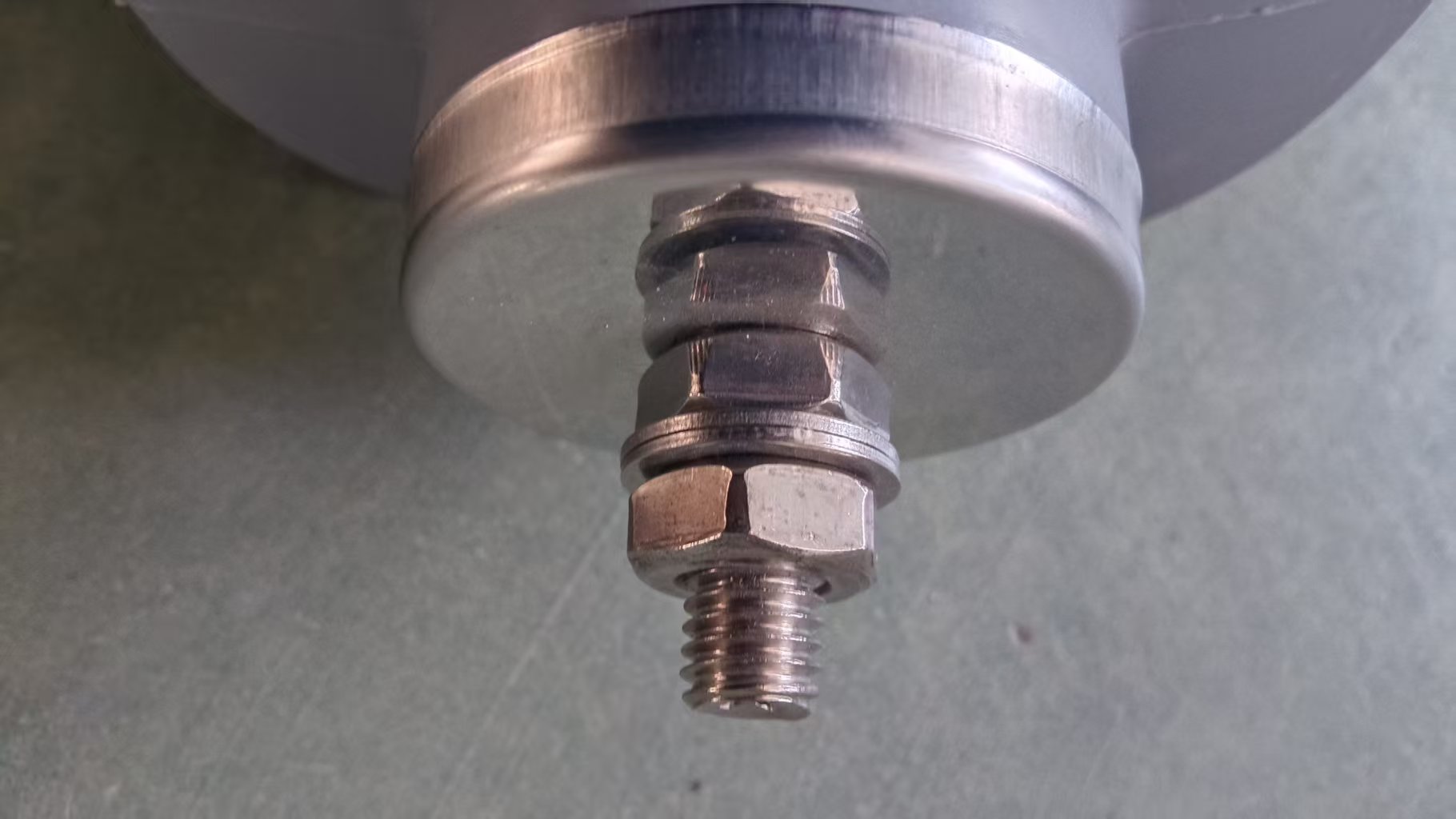
This polymer surge arrester (lightning arrester)acts as a critical safety valve between a live phase conductor and earth. Under normal operating conditions (at or below 36kV), it presents a very high impedance and is effectively invisible to the system. However, when a transient overvoltage exceeding a specific threshold occurs, the arrester activates within nanoseconds. It provides a low-impedance path to earth, safely diverting massive current impulses (up to its 10kA rating) away from protected equipment. Immediately after the surge passes, it automatically resets to its high-impedance state. This specific model, with its exceptional creepage distance of 1100mm, is specifically optimized for extreme reliability in heavily polluted and harsh environments.
Drawings:
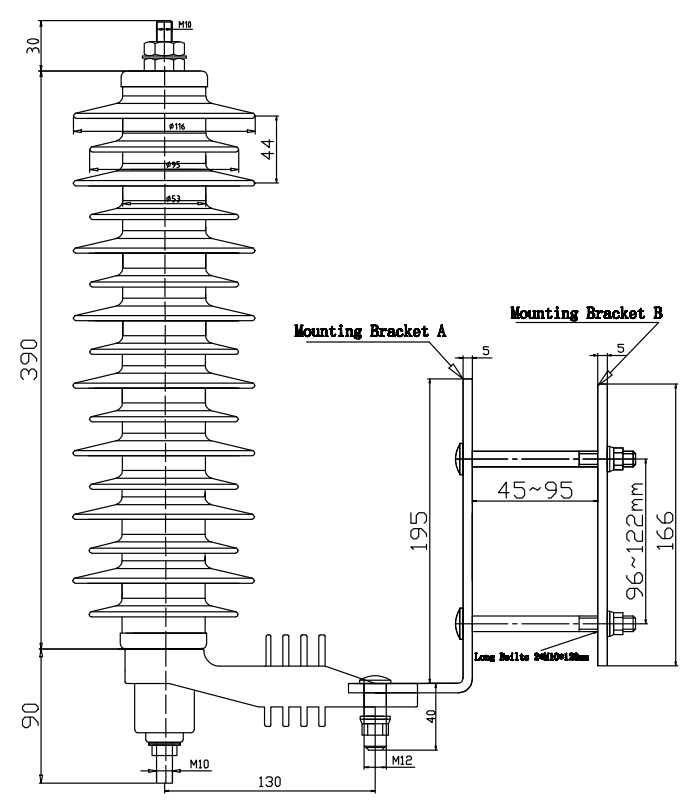
Technical Parameters:
Rated voltage: | 36kv |
Norminal discharge current: | 10kA |
Maximum continuous operating voltage (MCOV): | 29.0kv |
1/4µs steep current residual voltage: | 123kv |
8/20µs lightning current residual voltage : | 108kv |
30/60µs switching current residual voltage: | 92.4kv |
2000µs rectangular wave current impulse: | 150A |
4/10µs high current withstand discharge capacity : | 65KA |
Discharge classic: | 1 |
Creepage distance: | 1100mm |
Internal Structure and Mechanism:
The device's sophisticated protection stems from its robust internal construction, housed within a protective polymer shell:
Zinc Oxide Varistor Blocks (The Core): The interior consists of a series-stacked column of Zinc Oxide (ZnO) varistor discs. These ceramic blocks are the active protective elements, possessing highly non-linear voltage-current characteristics.
Normal Voltage: At standard system voltage, the ZnO blocks exhibit extremely high resistance, allowing only minuscule leakage current (microamps) to flow.
Overvoltage Condition: When a surge voltage appears, the resistance of the ZnO blocks drops dramatically, allowing them to conduct the high nominal discharge current of 10kA to ground, thereby clamping the voltage across the protected equipment to a safe level.
Fiberglass Reinforced Epoxy Core Rod: The ZnO blocks are assembled under high pressure on a strong, non-tracking core rod. This rod provides mechanical stability and ensures good electrical contact between the blocks.
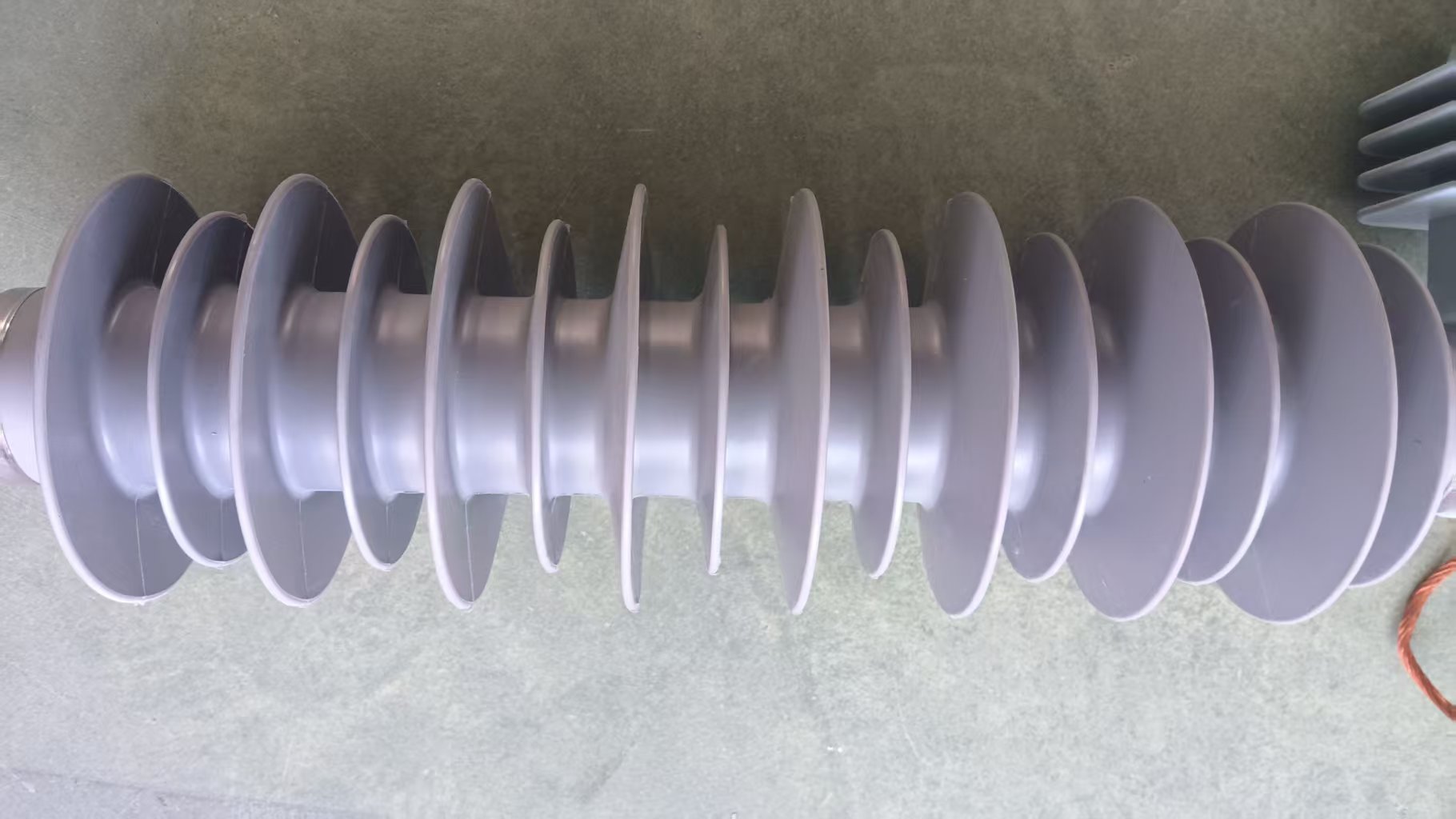
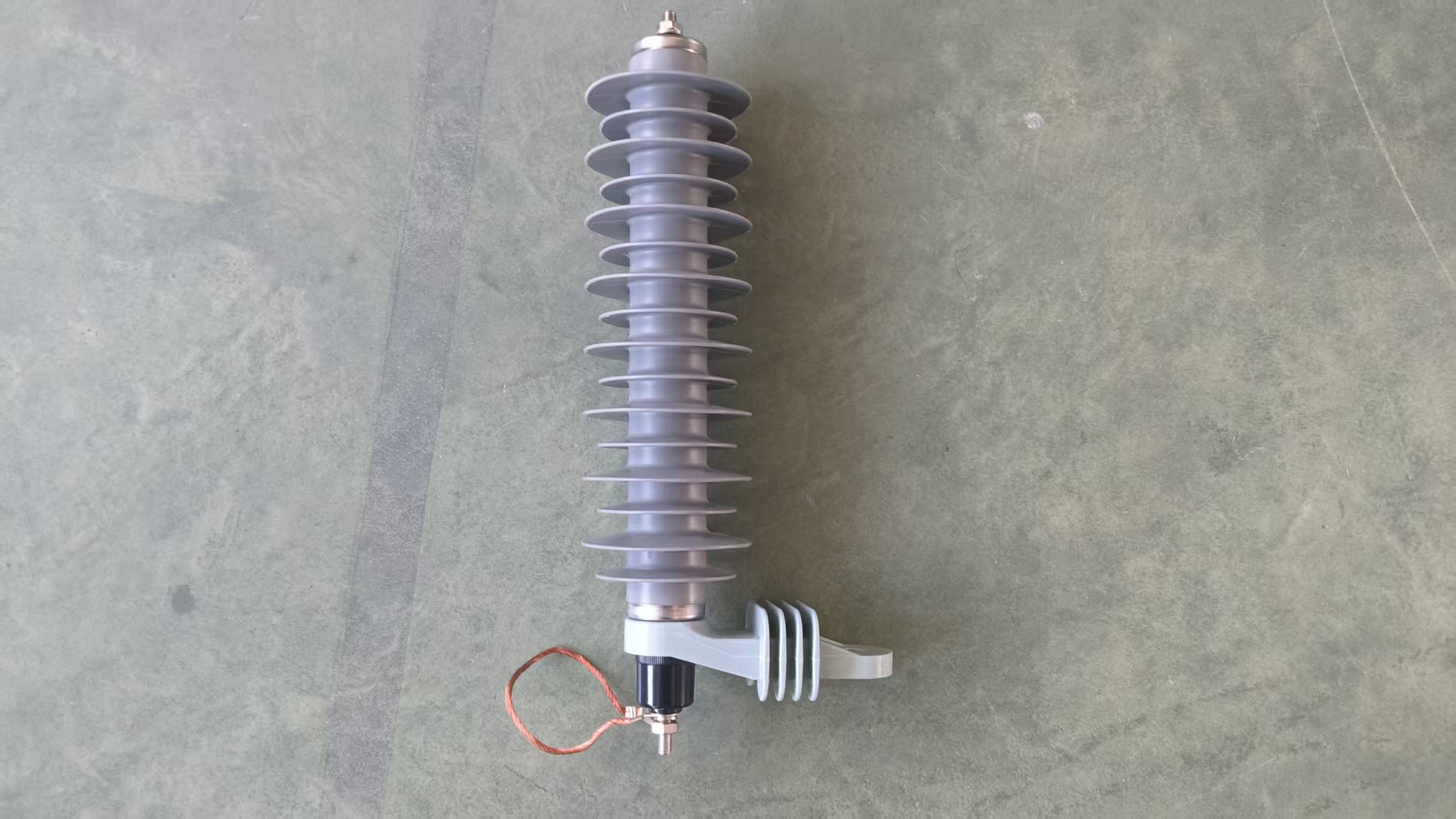
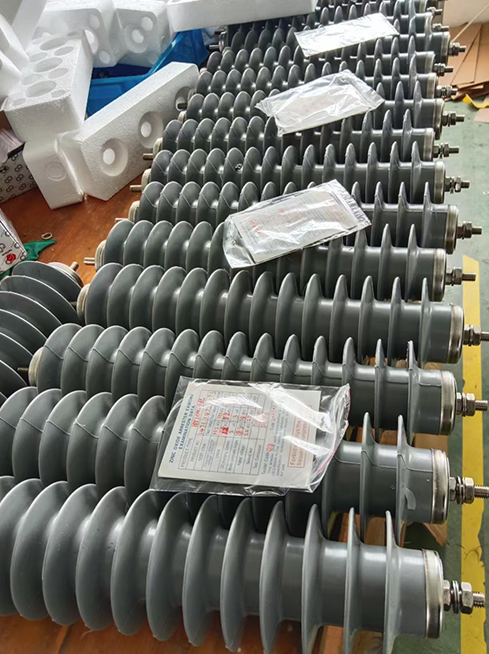
Polymeric Housing and Sheds: The core is permanently encapsulated in a silicone rubber housing. The external profile features 16 sheds in a distinct large-small alternating pattern. This advanced design is critical for achieving the exceptionally long creepage distance of 1100mm, which is essential for preventing surface flashovers in heavily contaminated conditions.
Mounting Bracket and Grounding:
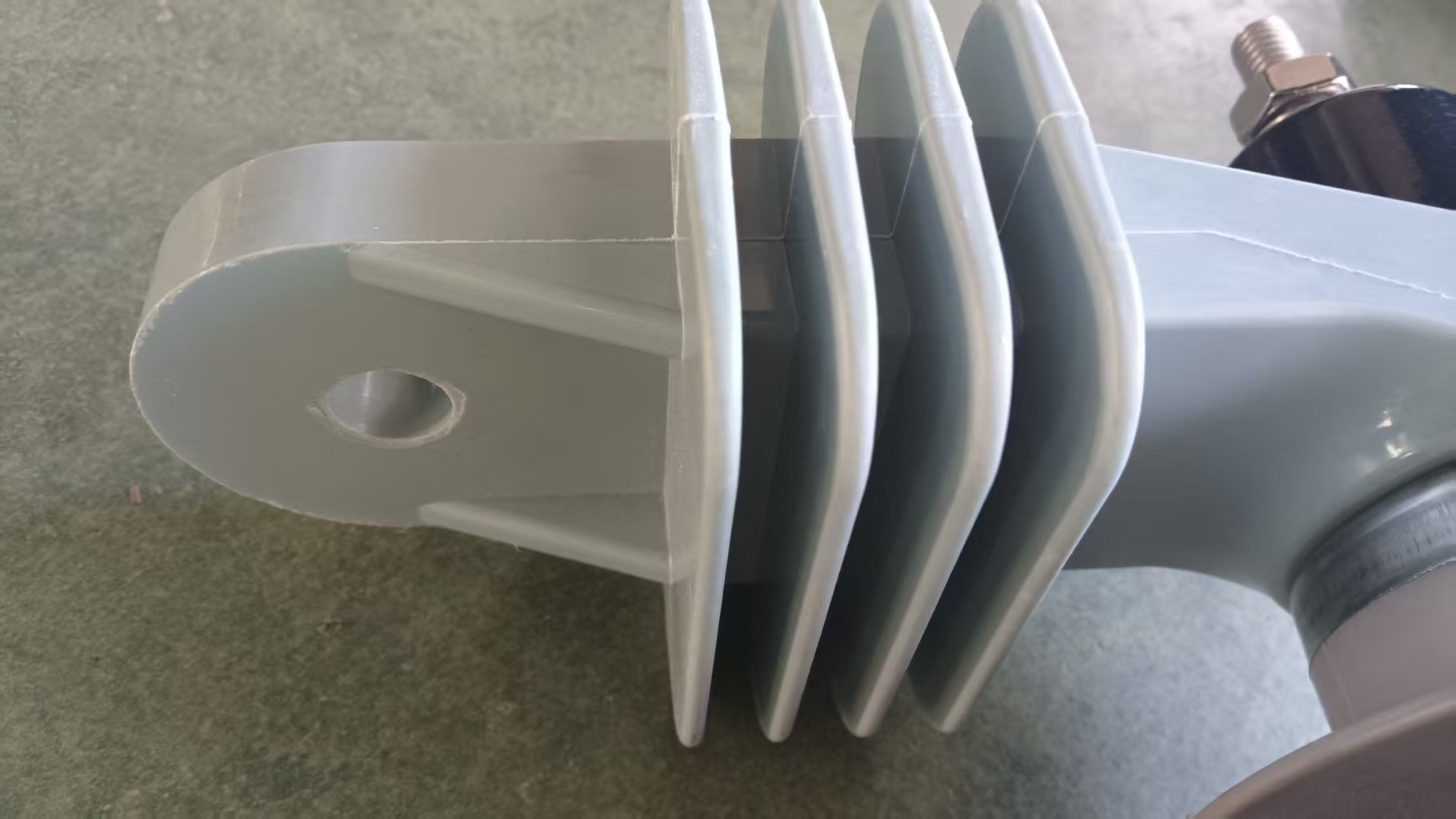
Mounting Bracket: A white, ribbed (finned) metal bracket is fixed to the base. The ribs increase the surface area for better heat dissipation. This bracket provides a secure point for mounting the arrester to a structure.
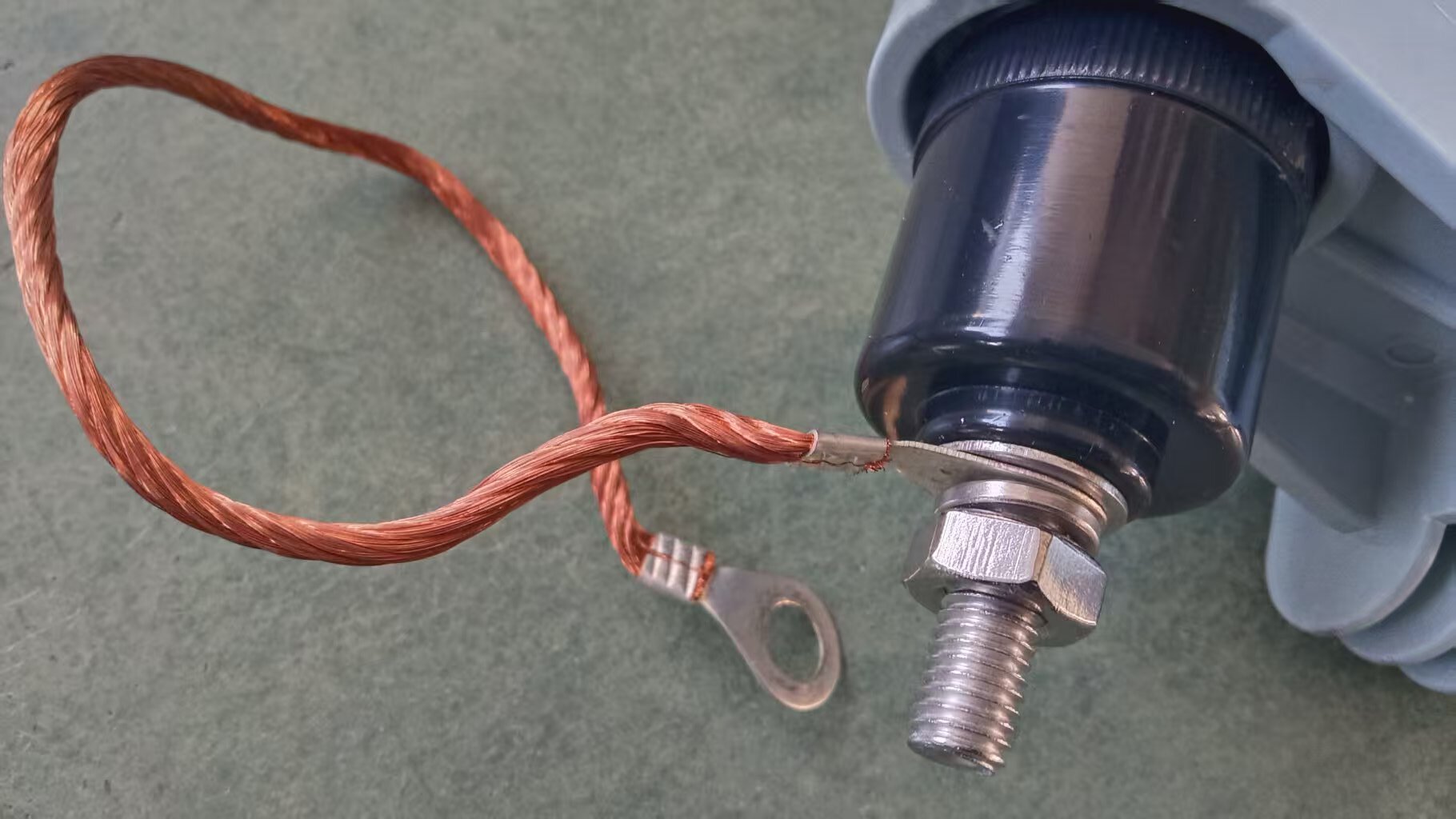
Earth Lead: A bare, flexible copper ground wire is securely attached to the base of the bracket, ensuring a reliable connection to the earth grid.
Sealing System: Hermetic seals at the ends prevent moisture ingress, which is critical for long-term reliability.
Key Design Features:
Exceptional Pollution Performance: The 16-shed, large-small alternation design and the outstanding 1100mm creepage distance are the standout features. This makes the arrester exceptionally reliable in areas with severe contamination, such as coastal regions (salt fog), heavy industrial zones (chemical dust), and areas with frequent ash or cement dust.
High Energy Handling Capacity: The 10kA nominal discharge current rating confirms its robustness in handling the most severe lightning and switching surges.
Effective Heat Dissipation: The ribbed metal mounting bracket at the base acts as a heat sink, helping to dissipate heat generated during normal operation and surge events, contributing to longer service life.
Lightweight and Vandal-Resistant: The polymer housing is significantly lighter and more impact-resistant than traditional porcelain, easing installation and improving durability against environmental hazards.
Excellent Hydrophobicity: The silicone rubber housing has superior water-repelling (hydrophobic) properties. Even when contaminated, it prevents the formation of a continuous water film, maintaining high dielectric strength under wet conditions.
Reliable Grounding: The integrated, sturdy copper ground wire ensures a secure and low-resistance connection to earth, which is vital for effective surge diversion.
Production Process:
The manufacturing process of this composite surge arrester involves precision engineering and rigorous quality control:
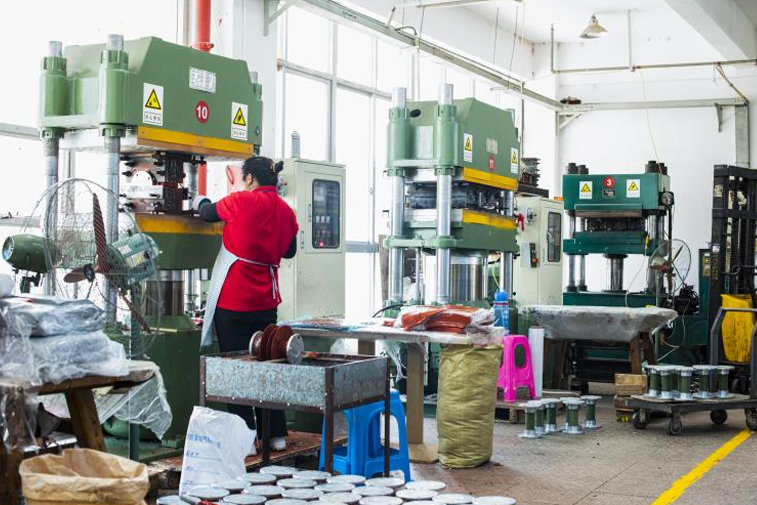
Varistor Production: High-purity Zinc Oxide powder is mixed with specific metal oxide additives, pressed into discs, and sintered at high temperatures to form the polycrystalline ceramic varistors with the desired non-linear properties.
Electrical Testing: Each individual ZnO block is rigorously tested for its reference voltage and leakage current to ensure consistency and quality.
Core Assembly: Qualified blocks are stacked on the insulated fiberglass core rod. Metal electrodes are placed at the ends, and the assembly is compressed within a spring mechanism to maintain constant pressure.
Molding/Encapsulation: The core assembly is placed in a mold, and liquid silicone rubber is injected around it under heat and pressure. This process forms the integral housing with the 16-shed profile in a single, hermetic seal.
Final Assembly: The ribbed metal mounting bracket and the copper earth lead are attached to the polymer-housed core.
Final Testing: Every completed arrester undergoes high-voltage tests, impulse current tests (to verify the 10kA rating), and leakage current measurements.
Specific Application Scenarios:
This 36kV high voltage surge arrester is ideally suited for demanding applications, including:
Polluted Environment Substations: Protecting equipment in 36kV substations located near the coast, in deserts, or in heavy industrial areas where its 1100mm creepage distance is essential.
Wind Farm Collection Systems: Providing overvoltage protection for the transformers and switchgear within wind farms, which are often exposed to harsh weather and salt-laden air.
Industrial Plant Switchgear: Shielding medium-voltage switchgear and large motors in industries like mining, chemical processing, and steel production.
Critical Power Infrastructure: Used in key points of the distribution network where reliability is paramount, especially in regions prone to high lightning activity.
Railway Electrification Systems: Protecting the power supply equipment for electric railway systems.

Company Strength:
 |  |
 |  |
 |  |  |


