


Address
Nanzhai village, Liushi Town, yueqingCity, zhejiang Province, china
Tel
+86-13375775325

| Quantity: | |
|---|---|
Introduction:
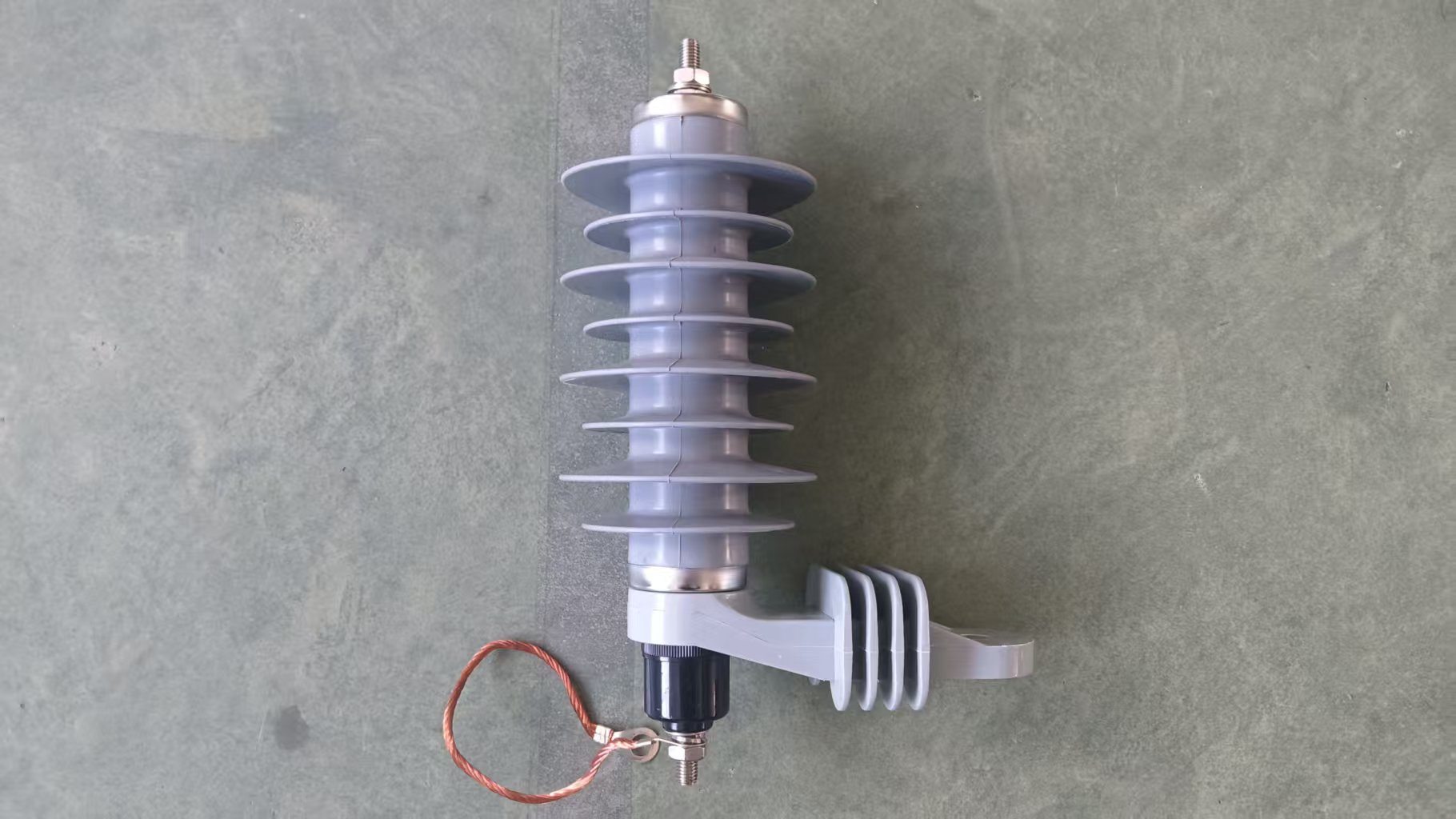
This silicone surge arrester(lightning arrester) is a vital protective device connected between a live phase conductor and earth. Under normal operating conditions, it presents a very high impedance and is effectively invisible to the system. However, when a transient overvoltage exceeding a specific threshold occurs, the surge arrester instantly becomes conductive, “arresting” the surge by diverting the massive current impulse safely to the ground. Once the surge passes, it automatically returns to its high-impedance state, maintaining normal system operation. This particular 21kV, 10kA model is optimized for robust performance in medium-voltage applications like 22kV distribution systems.
Drawings:
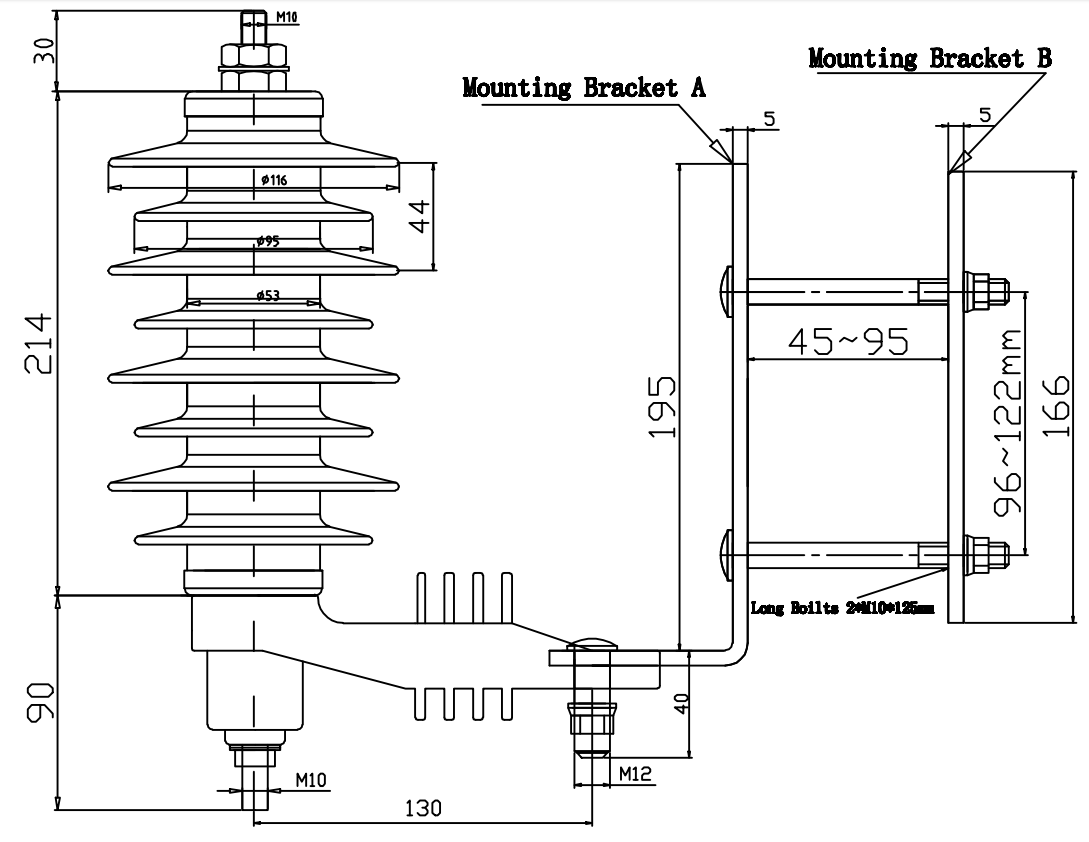
Technical Parameters:
Rated voltage: | 21kv |
Norminal discharge current: | 10kA |
Maximum continuous operating voltage (MCOV): | 17.0kv |
1/4µs steep current residual voltage: | 71.8kv |
8/20µs lightning current residual voltage : | 63kv |
30/60µs switching current residual voltage: | 54.2kv |
2000µs rectangular wave current impulse: | 250A |
4/10µs high current withstand discharge capacity : | 100KA |
Discharge classic: | 1 |
Creepage distance: | 535mm |
Internal Structure & Operating Mechanism:
The core functionality of the arrester comes from its internal components, elegantly housed within the robust polymer shell:
Zinc Oxide Varistor Blocks (The Heart): The interior consists of a series-stacked column of Zinc Oxide (ZnO) varistor discs. These ceramic blocks are the active protective elements. They possess highly non-linear voltage-current characteristics.
Normal Voltage: At standard system voltage, the ZnO blocks exhibit extremely high resistance, allowing only minuscule leakage current (microamps) to flow.
Overvoltage Condition: When a surge voltage appears, the resistance of the ZnO blocks drops dramatically within nanoseconds, allowing them to conduct the high nominal discharge current of 10kA to ground, thereby clamping the voltage across the protected equipment to a safe level.
Glass Fiber-Reinforced Epoxy Core Rod: The ZnO blocks are assembled under high pressure on a strong, non-tracking core rod. This rod provides mechanical stability and ensures good electrical contact between the blocks.
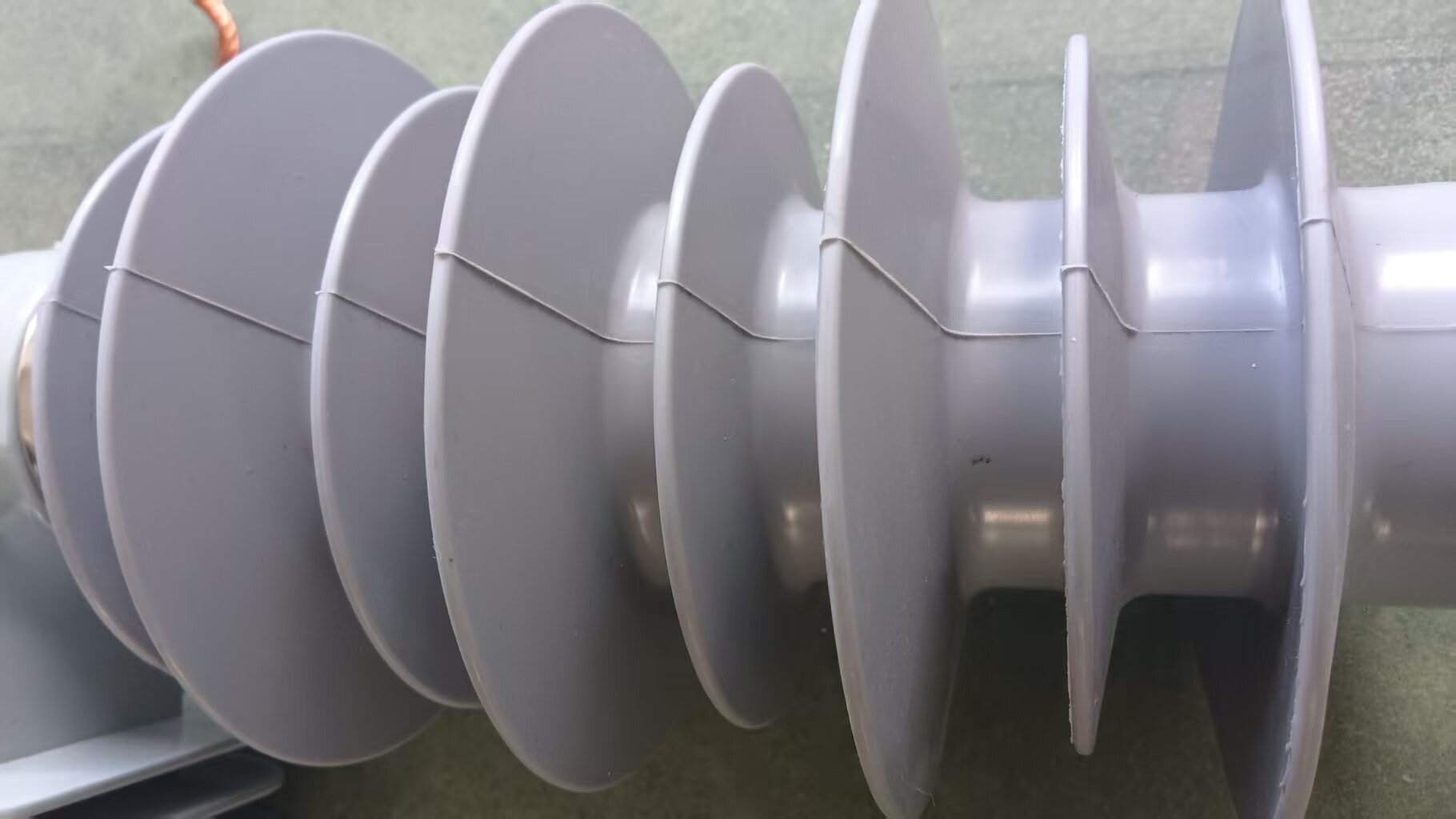
Polymeric Housing (The Body): The ZnO column is permanently sealed within a silicone rubber or EPDM polymer housing. This housing is far superior to traditional porcelain because it is lightweight, highly resistant to impact and vandalism, and exhibits excellent hydrophobic (water-shedding) properties.
Sealing System: High-quality seals at the ends prevent moisture ingress, which is critical for long-term reliability and preventing internal failure.
Key Design Features:
High-Energy Handling Capability: The 10kA nominal discharge current rating confirms its ability to safely handle the immense energy from severe lightning and switching surges.
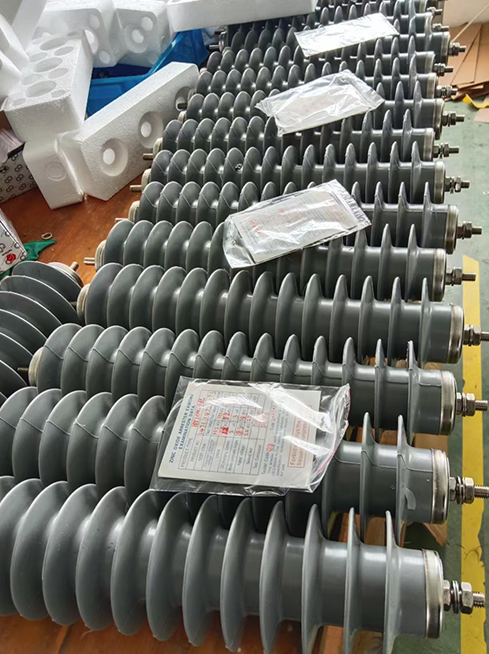
Enhanced Pollution Performance: The 8-umbrella shed design with alternating large and small sheds is a critical feature. This configuration maximizes the creepage distance (535mm), creating a longer leakage path along the surface. This prevents flashovers in areas with high pollution, salt, dust, or moisture, ensuring stable operation in harsh environments.
Lightweight and Vandal-Resistant: The polymer housing makes the arrester significantly lighter than porcelain equivalents, easing installation and reducing stress on support structures. It is also highly resistant to damage from impacts or gunfire.
Excellent Hydrophobicity: Silicone rubber housing has a unique ability to repel water. Even when contaminated, the surface prevents the formation of a continuous water film, maintaining high dielectric strength.
Pressure Relief Mechanism: The design typically incorporates a mechanism to safely vent hot gases in the rare event of a catastrophic internal failure, preventing the housing from rupturing violently.
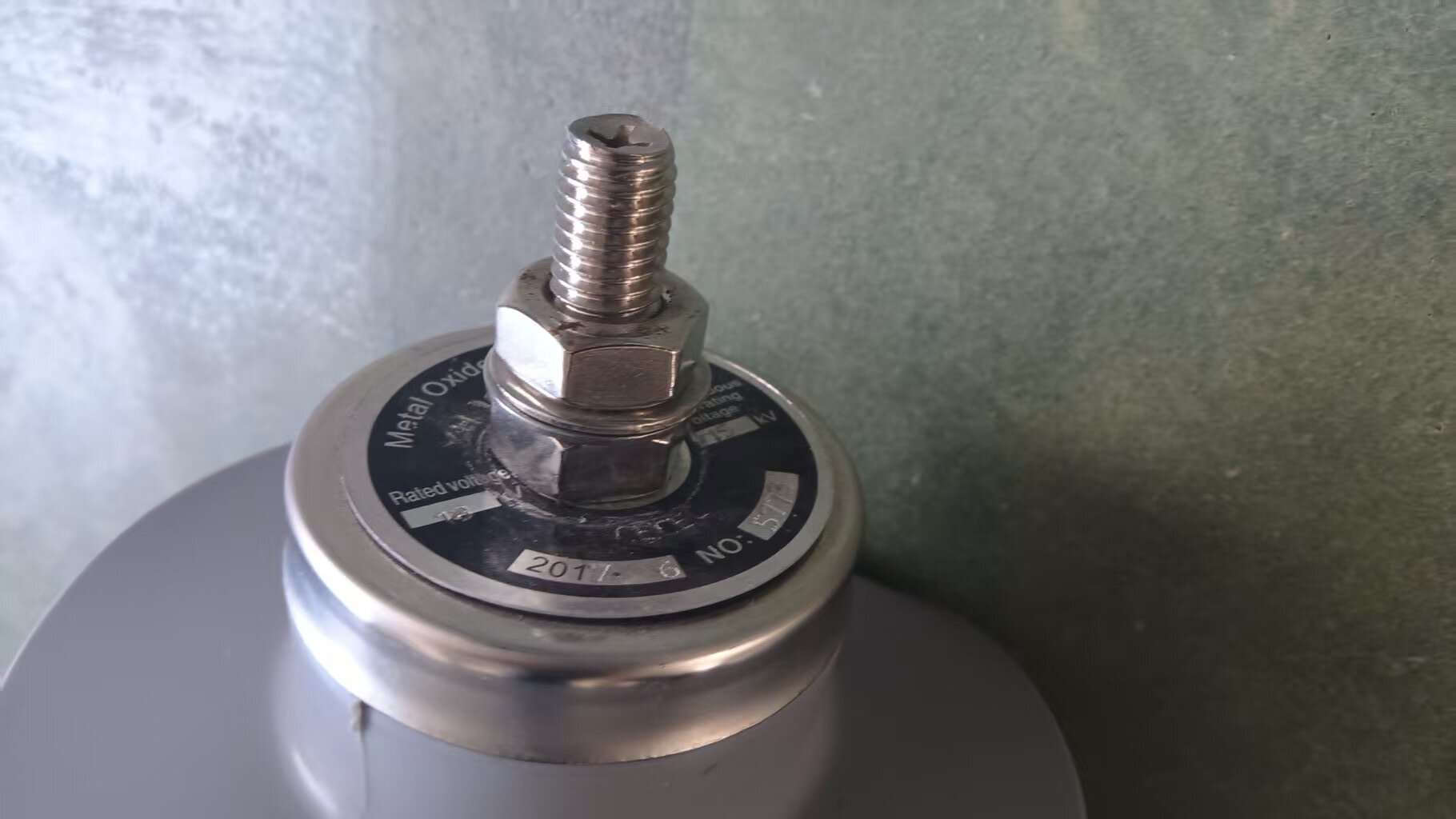
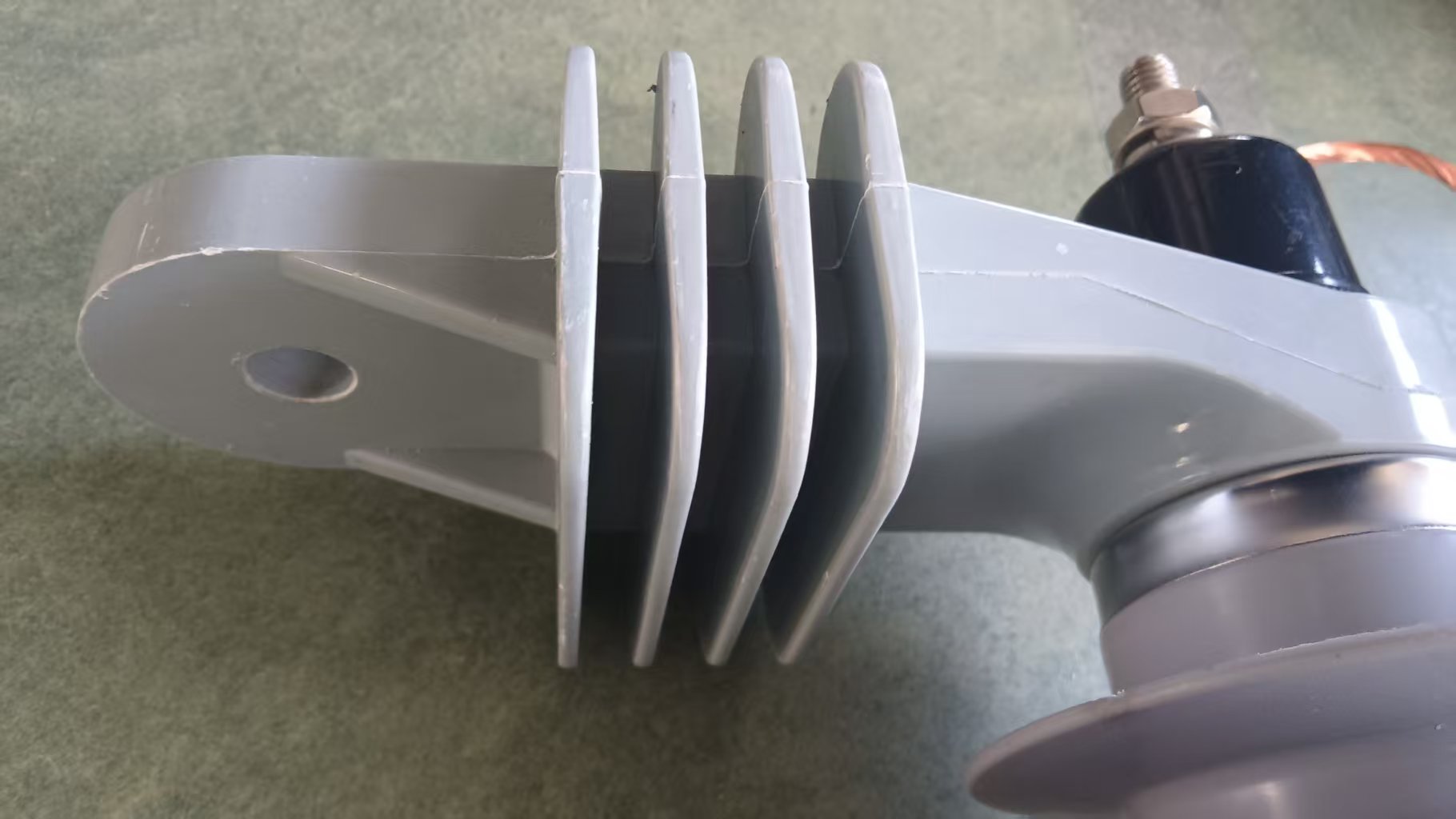
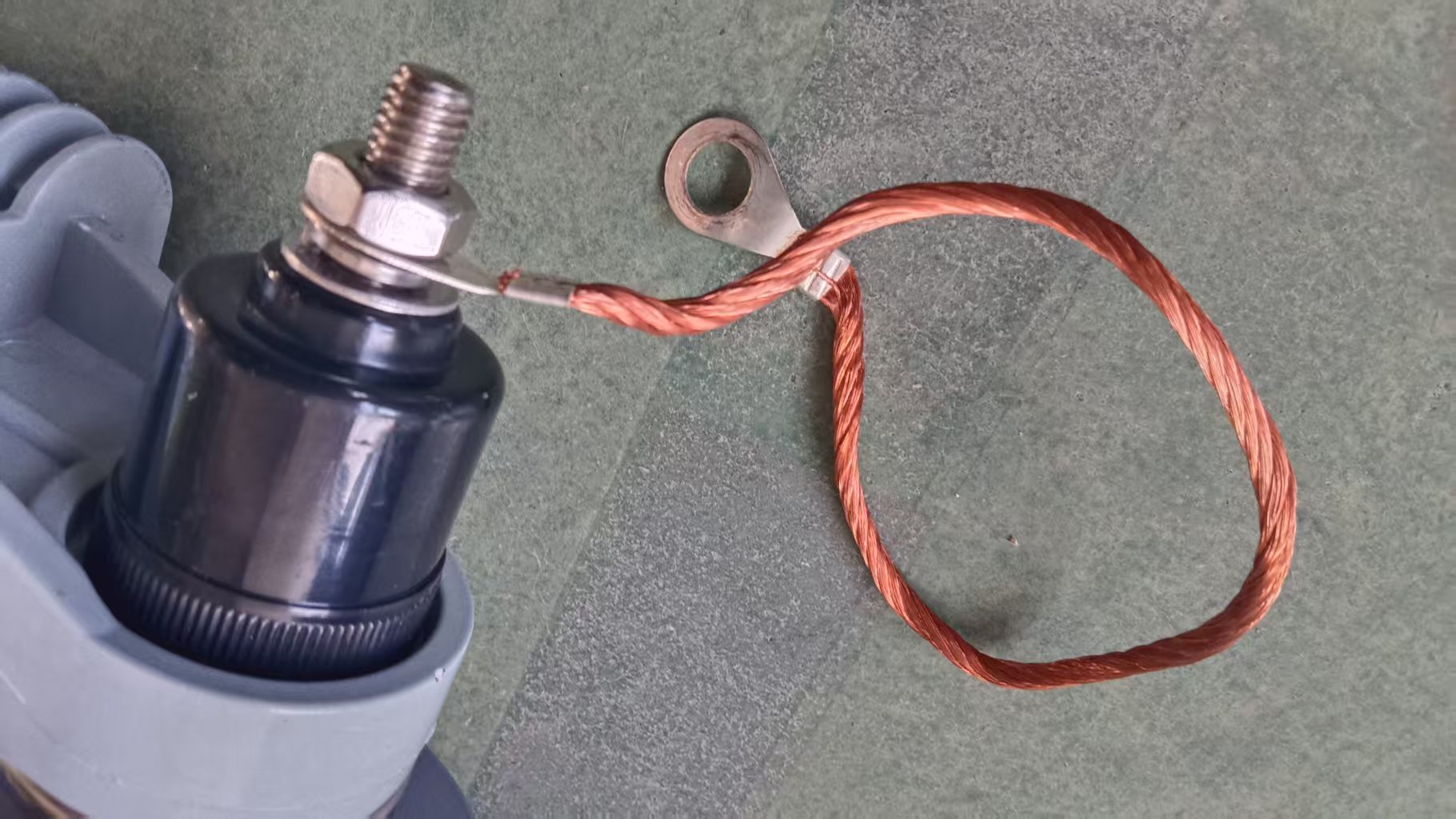
Reliable Connections: The top metallic fitting (likely aluminum) provides a secure point for connection to the phase conductor. The visible copper wire at the bottom acts as a down-conductor or grading ring attachment for efficient grounding.
Production Process:
The manufacturing process is precise and controlled to ensure high quality and consistency:
Varistor Production: High-purity Zinc Oxide powder is mixed with other metal oxides (additives like Bismuth Oxide, Cobalt Oxide, etc.) and milled. The mixture is pressed into disc shapes and sintered at high temperatures to form the polycrystalline ceramic varistor blocks with the desired non-linear characteristics.
Electrical Testing: Each individual ZnO block is rigorously tested for its reference voltage and leakage current.
Assembly: Qualified blocks are stacked on the insulated fiberglass core rod. Metal electrodes are placed at the ends, and the assembly is compressed within a spring mechanism to maintain constant pressure.
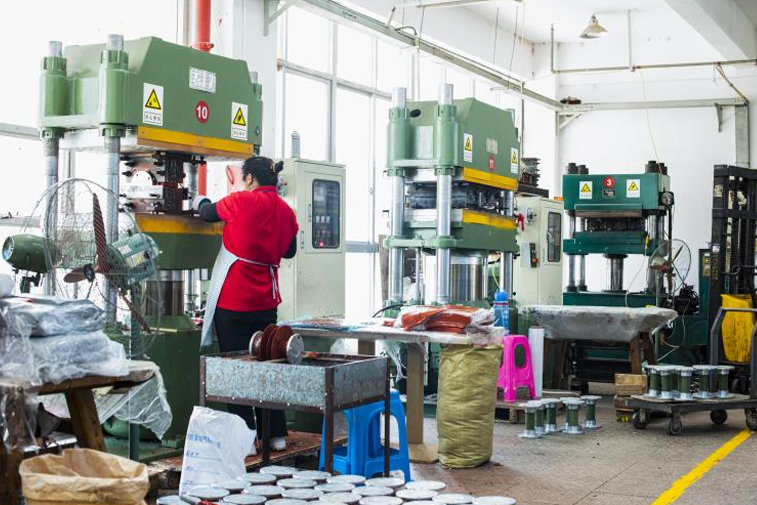
Molding/Encapsulation: The core assembly is placed in a mold, and liquid silicone rubber is injected around it under heat and pressure. This process forms the integral housing and sheds, creating a permanent, hermetic seal.
Curing and Final Assembly: The housing is cured. End fittings and the copper grounding wire are attached.
Final Testing: Every completed arrester undergoes high-voltage tests, including impulse current tests (to verify the 10kA rating) and leakage current tests, to ensure it meets all specified performance criteria.
Specific Application Scenarios:
This 21kV high voltage surge arrester is ideally suited for:
Power Distribution Substations: Protecting the primary side of 11kV/22kV distribution transformers from incoming surges.
Overhead Distribution Lines: Installed on poles to protect lines and equipment like capacitor banks and sectionalizers.
Industrial & Commercial Facilities: Shielding medium-voltage switchgear and motors within large factories or plants.
Harsh Environments: Its high creepage distance (535mm) makes it particularly suitable for coastal areas (salt pollution), industrial zones (chemical pollution), and desert regions (dust and sand).
Renewable Energy Plants: Protecting the collection systems in solar farms and wind farms.

Company Strength:
 |  |
 |  |
 |  |  |


