


Address
Nanzhai village, Liushi Town, yueqingCity, zhejiang Province, china
Tel
+86-13375775325
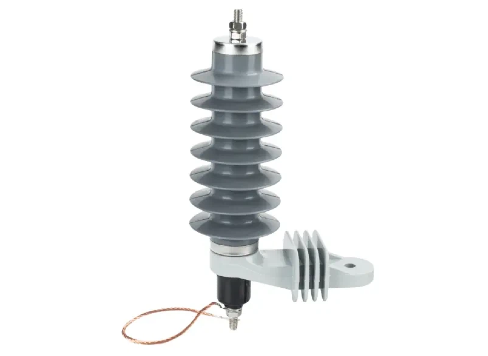
In the world of electrical systems, one of the biggest threats to the longevity and functionality of equipment is a voltage surge. Voltage surges, often referred to as transient overvoltage, can occur due to various reasons, such as lightning strikes, power grid switching, and electrical faults. These surges can cause serious damage to electrical components, leading to costly repairs, operational downtimes, and even safety hazards.
To prevent this, surge arresters—also known as surge protectors or lightning arresters—are installed in electrical systems. Surge arresters are designed to protect electrical devices and systems from the harmful effects of voltage surges by redirecting excess energy away from the equipment and into the ground.
In this article, we will explore what surge arresters are, how they work, the different types available, and the critical role they play in safeguarding electrical systems across various industries. We will also highlight the key factors to consider when choosing a surge arrester for your electrical needs and how Zhejiang Langao Power Technology Co., Ltd. offers effective surge protection solutions.
Before delving into surge arresters, it’s important to understand what a voltage surge is and why it poses such a risk to electrical systems.
A voltage surge is a sudden, brief increase in the voltage level within an electrical circuit. Surges can be caused by several factors, including:
Lightning Strikes: One of the most common causes of voltage surges is lightning. When lightning strikes a power line, transformer, or nearby object, it can send a large voltage spike through the electrical system.
Switching Events: When electrical systems are turned on or off, they can cause brief surges in voltage. This is particularly common in large industrial or power systems.
Faults in the Power Grid: Failures such as short circuits, or sudden shifts in the power grid can result in surges that damage connected devices.
Electrostatic Discharge (ESD): Static electricity can also result in small but harmful surges that can damage sensitive electronics.
These voltage surges can last for only a few microseconds but are powerful enough to damage or destroy electrical equipment, especially sensitive devices like computers, servers, transformers, and other high-precision machinery.
A surge arrester is an electrical device designed to protect electrical equipment from voltage surges. It acts as a safety mechanism, absorbing or diverting the excess voltage from the electrical system and safely grounding it. Surge arresters are particularly important in applications where there is a high risk of lightning strikes, power grid switching, or other factors that could cause sudden voltage spikes.
Surge arresters are typically installed at critical points in the electrical system, such as at the entry point of power lines into a building or near sensitive equipment. By redirecting excess voltage away from these components, surge arresters help prevent damage, reduce downtime, and maintain the integrity of electrical systems.
Surge arresters work by providing a low-resistance path to divert the surge current into the ground, preventing it from reaching sensitive components. They are made with materials that change their resistance based on the voltage levels they encounter.
Voltage Detection: When a surge occurs, the surge arrester detects the excess voltage and activates.
Diverting the Excess Energy: The surge arrester creates a low-resistance path for the excess voltage to flow through, effectively directing it away from the electrical system.
Grounding the Surge: The excess energy is safely dissipated into the ground, where it cannot harm the electrical system.
Surge arresters are designed to act quickly, providing an instantaneous response to surges, ensuring that sensitive equipment remains protected from sudden voltage spikes.
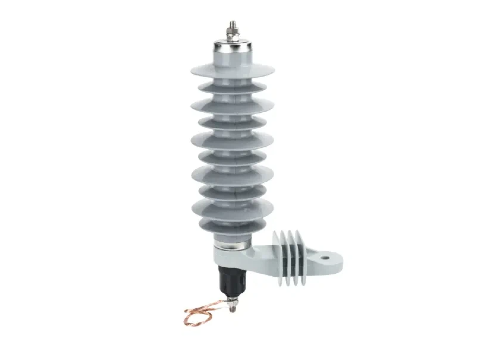
Surge arresters are available in several different designs to suit various applications, voltages, and environments. Below is a table outlining the most common types of surge arresters and their key features:
Type of Surge Arrester | Application | Key Features |
Low Voltage Surge Arrester | Residential and small commercial systems. | Compact, affordable, easy to install, protects household appliances. |
Medium Voltage Surge Arrester | Industrial and commercial systems with medium voltage circuits. | Higher energy absorption capacity, suitable for factories and substations. |
High Voltage Surge Arrester | Power distribution systems, power plants, substations. | Designed to handle large surges, used in high-voltage networks. |
Metal Oxide Varistor (MOV) | Low and medium voltage systems, residential and commercial buildings. | Fast response time, reliable for smaller electrical systems. |
Gas Discharge Tube (GDT) | High-voltage and telecom applications. | Capable of handling larger surges, used in outdoor and industrial environments. |
Surge Protective Devices (SPD) | Installed at the main electrical panel in homes or businesses. | Protects circuits from lightning strikes, spikes, and transients. |
Surge arresters play a critical role in a wide range of applications. They are used across industries to prevent damage to sensitive electrical equipment and ensure the continued operation of electrical systems. Some key applications include:
In residential electrical systems, surge arresters are installed at the main electrical panel or at the point where power enters the home. They provide protection for household electronics such as televisions, computers, and refrigerators. By diverting lightning strikes or power surges, they help prevent costly damage to appliances.
Surge arresters are widely used in commercial buildings to protect the large number of electrical devices used daily. Offices, data centers, and retail spaces all benefit from surge protection systems, which safeguard everything from computers to industrial machinery.
In industrial settings, surge arresters are used to protect critical machinery, transformers, and power circuits. These systems often involve sensitive equipment that can be damaged by voltage spikes, so surge arresters play an essential role in ensuring continuous operations and minimizing downtime.
Power stations and substations use surge arresters to protect the power grid infrastructure from lightning strikes and switching events that can cause voltage surges. These arresters help prevent large-scale damage to transformers, circuit breakers, and other vital components in the power distribution system.
Telecommunications networks are highly vulnerable to surges due to lightning strikes and power fluctuations. Surge arresters protect communication equipment, including transmission lines, switches, and routers, ensuring minimal disruption to services.
Surge arresters play a crucial role in electrical safety by preventing damage to equipment and reducing the risk of fire or electrical shock caused by surges. By acting as a protective barrier against high-voltage spikes, surge arresters help ensure that electrical systems operate efficiently and safely.
In addition to protecting equipment, surge arresters also contribute to reducing maintenance costs. By preventing damage to sensitive electrical components, they reduce the need for repairs or replacements, thereby lowering operational expenses.
When selecting a surge arrester for a specific application, several factors should be considered:
Voltage Rating: It is essential to choose a surge arrester that matches the voltage rating of the system being protected. Using an arrester with an incorrect voltage rating can result in inadequate protection or even failure.
Energy Absorption Capacity: Surge arresters are rated based on how much energy they can absorb before failing. The energy absorption capacity should be high enough to handle potential surges in the system.
Response Time: The faster the response time of the surge arrester, the better. A surge arrester with a fast response time can mitigate the damaging effects of surges almost immediately.
Environmental Conditions: Surge arresters must be chosen based on the environmental conditions where they will be installed. For example, outdoor installations may require an arrester that is resistant to weather conditions, humidity, and temperature fluctuations.
Compliance with Standards: Ensure that the surge arrester meets local or international safety standards. Certified arresters provide reliable protection and ensure the safety of both personnel and equipment.
Surge arresters are essential for protecting electrical systems from voltage surges caused by lightning, switching events, and other disturbances. They play a critical role in preventing damage to equipment, minimizing operational disruptions, and enhancing the safety of electrical systems. By providing a reliable path to ground for excess voltage, surge arresters help ensure that electrical equipment continues to operate smoothly, reducing the risk of downtime and expensive repairs.
For those in need of high-quality surge protection solutions, Zhejiang Langao Power Technology Co., Ltd. offers a range of durable and reliable surge arresters. Their products are designed to meet the needs of various industries, providing efficient protection for electrical systems. Contact them today to learn more about their surge arrester offerings.
Q: What is the primary function of a surge arrester?
A: A surge arrester protects electrical equipment from voltage surges by diverting excess voltage to the ground, preventing damage to sensitive systems.
Q: How does a surge arrester work?
A: A surge arrester detects voltage surges and provides a low-resistance path for the excess voltage, diverting it safely to the ground, thereby protecting electrical components.
Q: Why is it important to have surge protection for residential systems?
A: Surge protection is important for residential systems to prevent lightning strikes and power surges from damaging household electronics and appliances, saving homeowners from costly repairs.
Q: How do I select the right surge arrester for my electrical system?
A: When selecting a surge arrester, consider factors such as the voltage rating, energy absorption capacity, environmental conditions, and response time to ensure optimal protection for your electrical system.


