


Address
Nanzhai village, Liushi Town, yueqingCity, zhejiang Province, china
Tel
+86-13375775325
Views: 0 Author: Site Editor Publish Time: 2026-04-13 Origin: Site
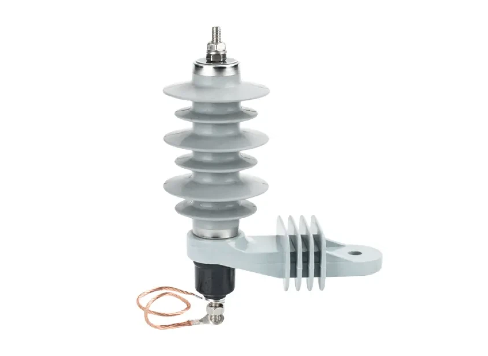
In the world of electrical protection, two essential devices often come into the spotlight: lightning arresters and surge arresters. Both are designed to safeguard electrical equipment from transient voltage surges, but they differ in their mechanisms, applications, and the types of electrical threats they are built to mitigate.
While these devices may seem similar, understanding the subtle differences between a lightning arrester and a surge arrester is crucial for selecting the right protection for a given application. In this article, we will delve into the characteristics of both lightning and surge arresters, their working principles, and the key distinctions between them.
By the end, you’ll gain a clearer understanding of how these devices work and why they are necessary for protecting electrical systems and infrastructure. Additionally, we will explore how Zhejiang Langao Power Technology Co., Ltd. offers effective solutions for both lightning and surge protection needs.
A lightning arrester, also known as a lightning rod or lightning protector, is a device that provides a direct path for lightning strikes to reach the ground safely. Lightning arresters are typically used to protect structures like buildings, towers, and power lines from direct lightning strikes. These devices are designed to intercept lightning and provide a low-resistance path that guides the electrical charge safely into the ground.
The working principle of a lightning arrester is straightforward. When lightning strikes a building or structure, the arrester intercepts the lightning strike and channels the energy down a metal conductor to a grounding system, such as a grounding rod. This allows the high-voltage surge caused by the lightning to dissipate into the earth, preventing damage to the structure, electrical systems, or people inside.
A surge arrester is an electrical device used to protect electrical equipment from transient voltage spikes, which can occur due to lightning, power grid switching, or other electrical disturbances. Unlike lightning arresters, which are primarily designed to deal with direct lightning strikes, surge arresters are used to protect electrical systems from voltage surges that are less severe but still damaging to sensitive equipment.
Surge arresters work by detecting when a voltage surge occurs and providing a low-resistance path for the surge to flow safely into the ground. These devices typically use materials like metal-oxide varistors (MOV) or gas discharge tubes (GDT) to absorb and redirect the excess energy from a voltage surge.
When the surge voltage exceeds the threshold level, the surge arrester diverts the excess energy to the ground, preventing it from reaching sensitive equipment such as computers, circuit boards, transformers, and communication systems.
While both lightning arresters and surge arresters provide protection against voltage surges, their purpose, design, and application differ significantly. Below is a table summarizing the key differences between the two:
Feature | Lightning Arrester | Surge Arrester |
Primary Purpose | Protects structures from direct lightning strikes | Protects electrical equipment from voltage surges |
Function | Provides a safe path for lightning to the ground | Diverts excess voltage from transient surges to the ground |
Typical Installation | Installed on buildings, towers, and power lines | Installed in electrical panels, transformers, and sensitive equipment |
Type of Protection | Provides protection from direct lightning strikes | Provides protection from various types of voltage spikes (including lightning) |
Design | Made of a metal conductor connected to a ground system | Uses components like MOVs, GDTs, or spark gaps to absorb and redirect surges |
Working Principle | Directly intercepts lightning and channels it safely into the ground | Diverts over-voltage caused by surges into the ground, preventing damage |
Duration of Protection | Protects against very short, high-intensity events (lightning) | Protects against short-duration, less intense surges from grid switching or lightning-induced surges |
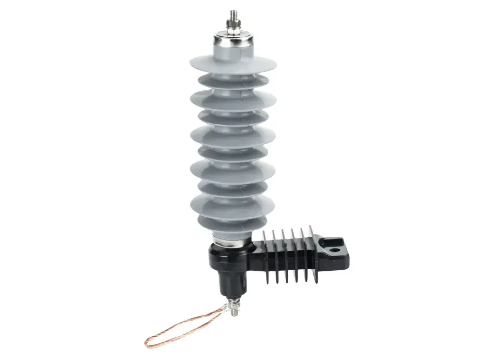
Both lightning and surge arresters serve unique functions in electrical protection, and understanding when to use each is crucial for maintaining a safe electrical system.
Lightning arresters are essential for structures that are exposed to the risk of direct lightning strikes. These include:
Tall structures such as buildings, communication towers, and power transmission lines.
Outdoor equipment that could be at risk from lightning, including substations and oil rigs.
If the structure or equipment is in an area prone to frequent lightning storms, a lightning arrester is a necessity to prevent fire, equipment failure, or even personal injury from direct lightning strikes.
Surge arresters are needed in almost all electrical systems, whether they are residential, commercial, or industrial. These arresters protect electrical equipment from voltage surges caused by lightning or switching events. Surge arresters are typically used for:
Home electrical systems to protect sensitive electronics like computers, refrigerators, and televisions.
Commercial buildings to protect equipment such as computers, HVAC systems, and communication infrastructure.
Industrial and power systems to prevent damage to transformers, circuit boards, and high-voltage electrical components.
Since voltage surges can happen frequently due to power grid switching, lightning, and other disturbances, surge arresters are critical for preventing long-term damage to electrical systems.
Surge protection is not only important for avoiding immediate damage to equipment but also for the long-term health of an electrical system. Here's why surge protection is essential:
Surges can cause immediate damage to sensitive equipment such as computers, industrial machines, transformers, and circuit boards. By diverting the surge away from the equipment, surge arresters prevent the high costs of repairs or replacements.
Electrical systems that experience damage from surges often experience operational downtime while the affected components are repaired or replaced. Surge arresters help reduce these interruptions by protecting the equipment from surges in the first place.
Repeated exposure to small surges can degrade electrical components over time, even if the surges do not cause immediate damage. Surge arresters protect against this gradual wear, extending the lifespan of electrical equipment and reducing maintenance costs.
Surges can cause dangerous situations, such as electrical fires, shocks, or explosions. Surge arresters help to ensure that electrical systems are operating within safe voltage limits, minimizing the risk of accidents or hazards.
When selecting surge and lightning arresters, it is important to consider the specific needs of your electrical system. Here are some factors to consider when choosing the right arrester for your application:
Factor | Lightning Arrester | Surge Arrester |
Voltage Rating | Must be suited to the high-voltage environment of a lightning strike | Must match the voltage rating of the equipment being protected |
Application | Buildings, towers, power lines | Electrical panels, communication systems, industrial equipment |
Response Time | Must react instantly to a lightning strike | Must respond quickly to prevent damage during surges |
Environmental Conditions | Designed for outdoor use and extreme conditions | Can be installed both indoors and outdoors, depending on the type |
Maintenance | Low maintenance once installed | Periodically tested to ensure functionality |
When selecting surge arresters, it’s important to ensure that they are rated for the correct voltage levels and are suitable for the specific application. For lightning arresters, be sure that they are installed on structures that are at risk of lightning strikes and can handle the powerful forces of nature.
Surge arresters and lightning arresters are both essential devices in protecting electrical systems from voltage surges and lightning strikes. However, their applications, design, and purposes differ significantly. Lightning arresters are used to protect structures from direct lightning strikes, while surge arresters protect sensitive electrical equipment from transient surges caused by various electrical disturbances.
Surge arresters are critical components for maintaining the safety, reliability, and longevity of electrical systems. Whether for residential, commercial, or industrial use, surge arresters provide necessary protection against the damaging effects of electrical surges, minimizing downtime and reducing repair costs.
For those seeking high-quality surge protection solutions, Zhejiang Langao Power Technology Co., Ltd. offers a wide range of surge arresters designed to meet the needs of various industries. Contact them today for more information about their reliable surge protection products.
Q: What is the primary function of a lightning arrester?
A: A lightning arrester protects structures from direct lightning strikes by providing a safe path for the electrical charge to reach the ground.
Q: How does a surge arrester protect electrical equipment?
A: A surge arrester detects voltage surges and diverts excess energy to the ground, preventing it from damaging sensitive electrical components.
Q: Where should surge arresters be installed?
A: Surge arresters should be installed at critical points in an electrical system, such as at the entry points of power lines or near sensitive equipment like computers or transformers.
Q: How do I choose between a lightning arrester and a surge arrester?
A: Choose a lightning arrester for structures exposed to lightning risks and a surge arrester for protecting electrical equipment from general voltage surges.


