


Address
Nanzhai village, Liushi Town, yueqingCity, zhejiang Province, china
Tel
+86-13375775325
Views: 0 Author: Site Editor Publish Time: 2026-01-07 Origin: Site

Composite insulators have become a critical component in modern power transmission and distribution systems. Their evolution from traditional porcelain and glass insulators to more advanced materials like silicone rubber has revolutionized the way utilities manage overhead lines and substations. Composite insulators offer superior performance in harsh environmental conditions, making them a preferred choice for utilities around the world.
In this article, we will explore the manufacturing process behind composite insulators, detailing each step from raw material selection to final testing. Understanding this process is essential to appreciating the high-performance characteristics of composite insulators, which are used in power systems globally.
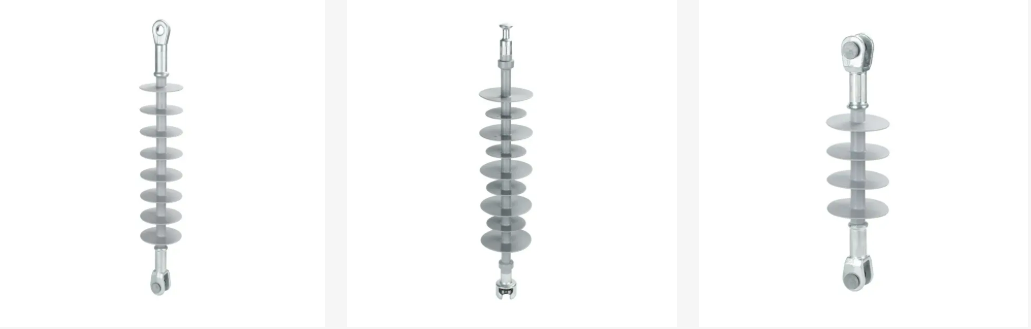
The core of a composite insulator is made of fiberglass, which provides high mechanical strength and flexibility. Fiberglass is combined with epoxy resin to create a composite material that is durable, lightweight, and resistant to deformation under stress. This core material plays a crucial role in the overall performance of the insulator, as it must support both electrical and mechanical stresses.
The outer layer of composite insulators is made of silicone rubber, known for its excellent electrical insulation properties, weather resistance, and durability. Silicone is hydrophobic, meaning it repels water, preventing the accumulation of contaminants on the surface. This property makes composite insulators particularly effective in coastal, industrial, and highly polluted environments. Silicone also provides UV resistance, ensuring that the insulator will not degrade under prolonged exposure to sunlight.
To connect the insulator to power lines or poles, metal end fittings are used. These fittings are typically made from aluminum or steel, which offer excellent mechanical strength and corrosion resistance. The end fittings are designed to withstand high mechanical forces and ensure the insulator remains securely attached during operation.
The production of the fiberglass core is a key step in the manufacturing of composite insulators. The core is produced using a process called pultrusion, which involves pulling glass fibers through a resin bath and curing them in a heated die. This results in a continuous length of fiberglass-reinforced epoxy resin that is both strong and flexible.
In the pultrusion process, continuous strands of fiberglass are impregnated with epoxy resin and pulled through a heated mold, where they cure and harden into a solid, rigid core. This process ensures the core is consistent in quality and strength, capable of withstanding mechanical loads and electrical stresses.
Once the fiberglass core is produced, it undergoes thorough quality control to ensure it meets the required standards. Key tests include:
Strength testing: Ensures the core can withstand mechanical stress.
Dimensional checks: Ensures the core is manufactured to precise specifications.
Surface roughness: A smooth surface ensures better bonding with the silicone rubber housing.
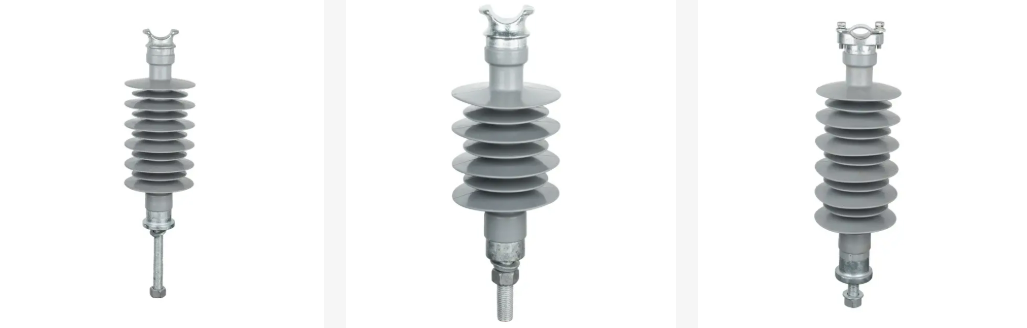
Before the actual insulator manufacturing begins, the raw materials must be prepared:
Cleaning and drying of metal fittings: All metal fittings are thoroughly cleaned and dried to remove any contaminants, such as oil or moisture, that could interfere with the bonding process.
Surface roughening / adhesive pre‑treatment of core rods: The fiberglass core is treated to create a rough surface that allows better adhesion when the silicone rubber is applied.
Injection Molding Process
Once the core is ready, the next step is to apply the silicone rubber housing. The injection molding process is used, where silicone rubber is injected into a mold and formed around the fiberglass core. This process ensures that the rubber coating adheres securely to the core and forms a solid, seamless layer of insulation.
Pre‑molded Sheds Bonding Process
The pre‑molded sheds (the umbrella-like structures that help shed water and prevent contamination) are then bonded to the silicone rubber housing. These sheds are designed to enhance the insulator's ability to shed contaminants and reduce the likelihood of flashover.
Curing / Vulcanization
The silicone rubber undergoes a curing process, where it is exposed to high temperatures to harden and achieve its final properties. This step, known as vulcanization, is critical in ensuring the rubber's durability and resistance to environmental factors such as UV rays and temperature fluctuations.
Bonding of Housing to Core Rod
After the silicone rubber is cured, the next step is to bond the housing to the core rod. This is typically done using high-strength adhesives that are specifically formulated to ensure a secure bond between the fiberglass and the rubber.
Installation of Metal End Fittings
The metal end fittings are then installed at both ends of the insulator. These fittings are securely attached using mechanical pressing or hydraulic equipment, ensuring they are firmly anchored to the insulator.
Final Sealing
A final sealing process is carried out to prevent water from entering the insulator. This step ensures that the composite insulator remains watertight and will continue to perform effectively over time.
Quality control is an essential part of the manufacturing process, ensuring that each composite insulator meets the required performance standards before it is shipped out. The following tests are commonly performed:
Mechanical Testing: Composite insulators undergo various mechanical tests, including tensile strength and impact resistance, to ensure they can withstand the physical stresses encountered in service.
Electrical Testing: Electrical tests, such as high-voltage dielectric tests, ensure that the insulator can handle the electrical load without failing.
Environmental Performance Tests: Tests are conducted to simulate real-world conditions, including temperature cycling, humidity exposure, and pollution resistance, to ensure the insulators will perform in a wide range of environmental conditions.
UV and Weather Resistance Coatings
To further enhance the insulator's durability, UV resistance coatings are applied to the silicone rubber. These coatings protect the insulator from the damaging effects of sunlight, extending its service life.
Hydrophobic Surface Treatment
A hydrophobic surface treatment is applied to the insulator to improve its water-repellent properties, ensuring that contaminants like dirt and salt do not accumulate on the surface, which could lead to electrical failures.
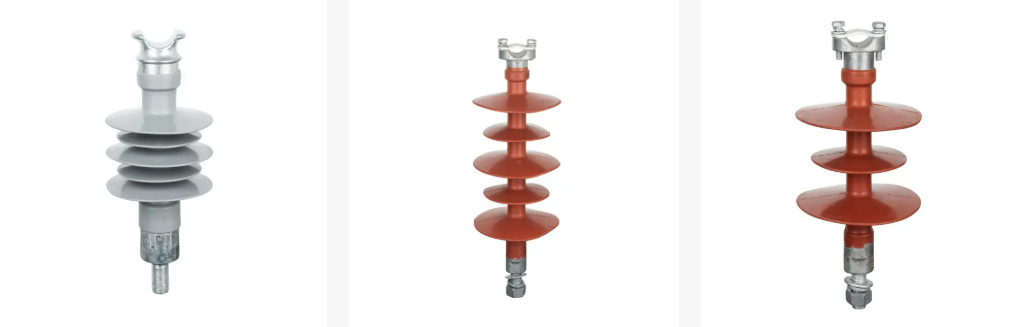
The manufacturing of composite insulators is constantly evolving, with new technologies and innovations improving both the process and the final product:
Automated Continuous Injection Molding (ACIM): Advances in automated molding have increased efficiency and consistency in production, reducing costs and improving product quality.
Spiral Extrusion Silicone Technologies: New methods for applying silicone rubber using spiral extrusion have allowed for more precise control over the thickness and consistency of the rubber layer.
Environmental Sustainability: As the demand for eco-friendly solutions grows, manufacturers are exploring ways to reduce emissions and use sustainable materials in the production of composite insulators.
The manufacturing process must also consider environmental impacts and worker safety:
Production Emissions: Manufacturers are adopting more sustainable practices, such as reducing carbon emissions and waste, to minimize their environmental footprint.
Worker Safety: Safety protocols are strictly followed to protect workers from exposure to hazardous chemicals and high temperatures during the manufacturing process.
Composite insulators are in high demand due to their superior performance, especially in areas where traditional insulators fail. Their ability to handle high voltages (from 11kV to 800kV) and resist environmental factors like pollution and UV degradation makes them ideal for overhead transmission lines, substations, and railway electrification systems.
Langao Power is a leader in the composite insulator industry, offering a wide range of products that meet international standards. Our insulators are manufactured using advanced techniques and the highest-quality materials, ensuring reliability and performance in even the most challenging environments. With our ISO9001 certification, we provide customers with customized solutions tailored to their specific needs.
Langao Power’s composite insulators have been successfully used in over 50 countries, including regions like Vietnam, Kenya, and Mexico, helping power utilities around the world deliver reliable and efficient electricity.
The manufacturing process of composite insulators is complex, involving multiple stages, including raw material preparation, molding, curing, and quality control. Each step is designed to ensure the final product meets the highest standards of mechanical strength, electrical insulation, and environmental resistance. Langao Power’s commitment to innovation and quality ensures that our composite insulators provide reliable performance in a variety of applications worldwide.
What are the main steps in composite insulator manufacturing?
The main steps include raw material preparation, core rod production, silicone housing formation, bonding, and final testing.
Why is molding and curing critical for housing performance?
Molding ensures the silicone rubber fits securely around the core, while curing hardens the material, enhancing its durability and insulation properties.
What quality tests are done on finished insulators?
Tests include mechanical strength, electrical insulation performance, and environmental stress resistance.
How does manufacturing affect insulator reliability?
The precision of the manufacturing process directly impacts the insulator’s ability to withstand mechanical and electrical stress over time.
Can composite insulators be customized during production?
Yes, Langao Power offers customized solutions to meet specific voltage, environmental, and application requirements.


