


Address
Nanzhai village, Liushi Town, yueqingCity, zhejiang Province, china
Tel
+86-13375775325
Views: 0 Author: Site Editor Publish Time: 2026-01-19 Origin: Site

In modern power systems, composite insulators are key components used in high voltage transmission and distribution lines worldwide due to their lightweight structure, superior contamination resistance, and excellent overall performance. However, with the continuous expansion of power grids into harsh and extreme environments—including very low temperature regions such as Arctic zones or high‑altitude areas—understanding how composite insulators behave under very low temperature conditions has become increasingly important.
Very low temperatures can influence the dielectric and mechanical properties of insulating materials, potentially affecting long‑term reliability and performance of high voltage systems. This article provides a comprehensive analysis of the performance, mechanisms, and research findings related to high voltage composite insulators under very low temperature conditions, drawing on global research trends and engineering insights.
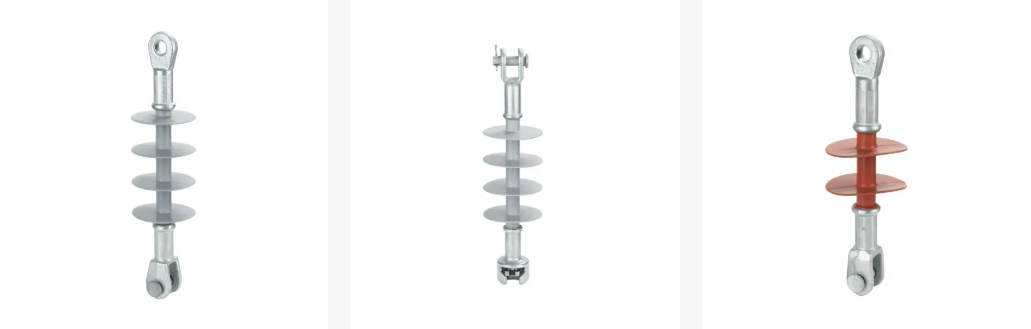
High voltage composite insulators generally consist of a core rod made of glass fiber reinforced polymer (FRP) and an outer housing made of polymeric materials such as silicone rubber or EPDM (ethylene propylene diene monomer). The core rod provides the primary mechanical strength, while the polymeric housing offers electrical insulation and surface hydrophobicity that helps resist surface contamination and flashover.
Composite insulators have become widely adopted over traditional ceramic or glass insulators due to their superior electrical, mechanical, and environmental performance. This composition, while effective in standard environments, can exhibit different behavior in extreme temperature scenarios.
Extreme cold affects material properties at both structural and molecular levels. Changes in temperature can significantly alter dielectric characteristics, mechanical strength, and thermal responses of insulation materials.
At very low temperatures, the dielectric properties of polymeric materials can experience changes due to altered molecular mobility. The electrical resistivity and dielectric constant of materials—including polymer housings like silicone rubber—vary with temperature, as material physics shows that electrical resistivity is temperature‑dependent and can increase or decrease based on material composition and thermal activation energies.
Researchers have observed that, in general polymeric materials, very low temperatures may lead to stiffness in molecular chains, reducing the ability of the material to polarize under electrical stress. This can impact the material’s dielectric response, especially when subjected to time varying electric fields.
Mechanical properties such as tensile strength and elasticity can also be affected at low temperatures. Research on composite insulators indicates that while the core fiberglass composite often retains strength due to its high inherent modulus, the adhesion between core and housing materials may become more brittle at low temperatures.
The interface bonding between the FRP core and polymer housing is a critical region. Under very low temperatures, differential contraction between materials (due to different coefficients of thermal expansion) can introduce stresses. This may increase the likelihood of micro‑cracking or localized delamination if not properly addressed in material design.
Thermal conductivity of polymeric materials typically decreases at low temperatures, which can lead to uneven temperature distributions within the insulator structure. Uneven thermal gradients may give rise to local stress concentrations and may slightly change the electrical field distribution along the insulator’s length.
Improved thermal performance through fillers or hybrid composites has been a subject of research to enhance the thermal conductivity of composite insulators, helping maintain stable electrical and mechanical performance under varying thermal conditions—though these studies often focus more on normal or elevated temperature performance rather than extreme cold directly.
The distribution of an electric field within an insulator can be altered by significant temperature gradients. In extreme cold conditions, the outer surface and internal structure may cool at different rates, influencing both dielectric constant and surface conductivity. These changes may impact how electric stress is distributed, potentially increasing stress concentrations in localized areas.
Detailed simulation and analysis of electric field distribution under thermal gradients remain ongoing research topics, but existing work suggests that temperature‑induced changes in dielectric properties should be considered in design for cold climates.
Cold climates often come with ice formation and moisture freezing on insulator surfaces. Ice on polymer surfaces affects flashover performance differently compared to ice on porcelain, mainly due to the hydrophobic nature of polymer materials.
Studies show that in cold regions, ice formation leads to a highly conductive surface film (formed by partial melting or wet snow layers) that significantly influences flashover voltages. For composite insulators, the presence of icing may facilitate different flashover mechanisms compared to conventional materials.
Understanding and mitigating ice induced flashover remains a key engineering focus for utilities operating in cold areas.
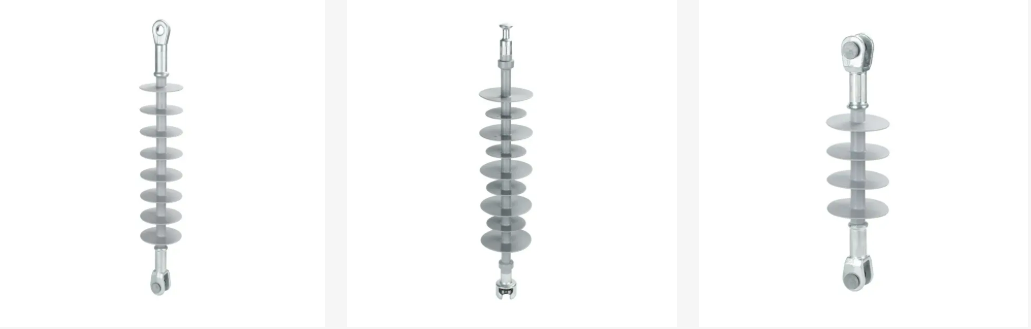
To enhance performance under icy conditions, advanced shed design (such as larger sheds or optimized profiles) has been proposed to reduce the likelihood of continuous water films and ice buildup. Some research proposes structural innovations that enhance the surface effectiveness in anti‑pollution and anti‑icing performance, which becomes even more relevant under very low temperature conditions.
Maintaining insulators under freezing conditions presents unique challenges. Low temperatures significantly complicate cleaning processes, especially when contaminants adhere on frozen surfaces. Engineering research has explored thermal‑solid coupling and fluid flow techniques to optimize cleaning operations in low temperatures, which can help maintain insulation quality and surface hydrophobicity under cold conditions.
These technologies often involve controlled thermal input (such as warm air flow) to offset the adverse thermal gradient and reduce stress on the insulator structure during cleaning operations.
Composite insulators are subject to aging mechanisms that include environmental exposure, electrical stress, and contamination. Polymer materials may degrade chemically and physically over time, particularly when exposed to cyclical temperature stresses. This affects long‑term reliability and service life.
Under very low temperatures, aging processes may slow down due to reduced chemical reaction rates, but mechanical stresses from thermal contraction can contribute to micro‑structural degradation.
Long‑term testing under controlled low temperature environments, involving measurements of leakage current, dielectric breakdown strength, and physical inspection for micro‑damage, helps to evaluate performance. Some studies conduct extended humidity, UV radiation, and temperature cycling tests to simulate environmental stresses over time.
These evaluations provide important data for understanding composite insulator behavior under harsh conditions and guide improved materials and designs.
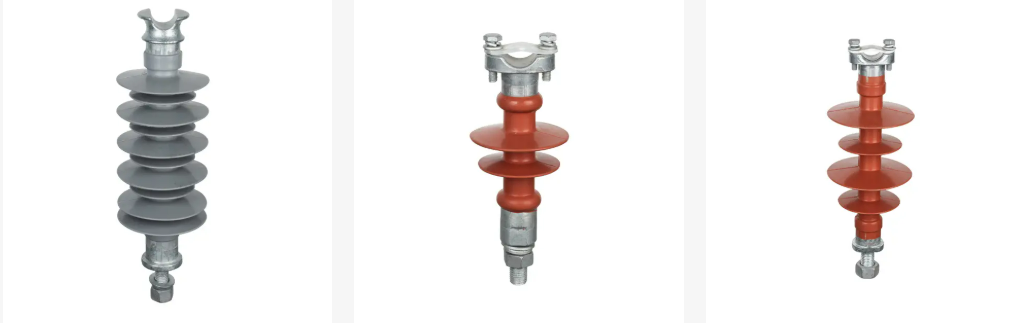
Selecting materials with better low temperature performance is critical for applications in cold climates. Adjustments in polymer formulation, the use of fillers to improve thermal conductivity, or modified core‑housing interfaces can help mitigate cold related issues.
Engineers may incorporate nano or micro filler materials to improve thermal distribution and mechanical coherence, enhancing cold temperature resilience as part of advanced composite design.
In cold climates, surface profile design that mitigates ice accumulation and manages flashover conditions is essential. Enhanced shed design and surface treatments help to provide better performance under freezing rain and ice conditions.
High voltage composite insulators demonstrate complex but generally resilient performance under very low temperature conditions. Their polymeric materials, while subject to altered dielectric and mechanical behavior, offer advantages over traditional materials through adaptability and engineering modifications.
Significant research has been conducted to understand composite insulator behavior in cold climates, focusing on thermal response, electrical field distribution, mechanical strength, icing characteristics, and cleaning challenges. Continued multi‑physics and material innovation will further enhance the reliability of composite insulators in polar and high‑altitude applications.
Zhejiang Langao Power Technology Co., Ltd. is a leading provider of high voltage composite insulators designed to withstand a wide range of environmental conditions, including extreme cold. By utilizing premium silicone rubber housings and fiberglass reinforced core rods, Langao Power’s composite insulators exhibit stable dielectric performance and robust mechanical properties suitable for very low temperature operation.
Langao Power also integrates advanced design principles—such as optimized shed profiles and material enhancements—to address icing and environmental stresses in cold climate regions. Backed by comprehensive testing and strict quality control systems, these products meet international standards and are deployed in projects around the world, ensuring reliable insulation performance even under very low temperature conditions.
1. Why is studying composite insulators under very low temperature important?
Very low temperatures can change the dielectric and mechanical properties of insulation materials, affecting performance and reliability in cold climate power systems.
2. How does low temperature affect electrical performance?
Low temperatures can alter dielectric constants and resistivity, which may influence electric field distribution and insulation stability under high voltage.
3. What challenges do ice and snow present to composite insulators?
Ice can create highly conductive surface films, increasing the risk of flashover. Cold climates also make cleaning and maintenance more difficult.
4. Can composite insulators perform better than porcelain insulators in cold climates?
Composite insulators often offer advantages due to their hydrophobic surfaces and lower mechanical brittleness, making them more adaptable to temperature swings and icing.
5. How does Langao Power ensure reliability in cold climate applications?
Langao Power employs high‑quality materials, optimized design features, and rigorous testing to ensure composite insulators maintain performance even at very low temperatures.


