


Address
Nanzhai village, Liushi Town, yueqingCity, zhejiang Province, china
Tel
+86-13375775325
Views: 0 Author: Site Editor Publish Time: 2026-01-14 Origin: Site

In the evolving landscape of power transmission and distribution, the choice of insulators plays a critical role in ensuring the safety, reliability, and longevity of electrical systems. Traditionally, porcelain insulators have been the standard choice for high-voltage systems. However, with the rise of composite insulators, a new wave of technology is transforming the industry. Composite insulators offer a host of advantages over their porcelain counterparts, including improved mechanical strength, lighter weight, enhanced environmental resistance, and reduced maintenance requirements.
This article explores the advantages of composite insulators in comparison to porcelain insulators across various factors, such as material properties, environmental adaptability, electrical performance, maintenance, lifecycle costs, and real-world application scenarios. It also highlights how Langao Power leads the way in providing cutting-edge composite insulator solutions for modern power transmission systems.
Porcelain insulators have long been a cornerstone of electrical power systems, known for their excellent dielectric properties and mechanical strength. Made from ceramic materials, porcelain insulators are used to isolate conductors and support power lines, especially in high-voltage applications. Despite their robust history, porcelain insulators have several limitations, including susceptibility to damage from mechanical shock and weather conditions.
Composite insulators, also known as polymer insulators or silicone insulators, represent the next generation of electrical insulation technology. These insulators are composed of a fiberglass core rod encased in a silicone rubber housing, designed to provide superior electrical insulation and mechanical performance. Composite insulators are especially effective in polluted, coastal, or harsh environments where porcelain insulators might fail due to contamination or environmental degradation.
Porcelain Insulators: Porcelain is a strong, durable ceramic material made from a mixture of clay, silica, and other minerals. While it offers high compressive strength, it is prone to cracking or shattering under mechanical stress, especially in extreme weather conditions.
Composite Insulators: Composite insulators, on the other hand, are made from a fiberglass core and a silicone rubber sheath, providing the benefits of flexibility, impact resistance, and light weight. The fiberglass core provides excellent tensile strength, while the silicone rubber housing offers superior hydrophobic properties, which help prevent contamination and maintain electrical performance in adverse conditions.
Composite insulators have a significant advantage when it comes to mechanical strength. The fiberglass core gives composite insulators exceptional tensile strength, allowing them to withstand high mechanical loads without breaking. Porcelain insulators, while mechanically strong, are brittle and prone to cracking under impact or stress. Composite insulators can tolerate dynamic forces such as wind, ice load, and vibrations better than porcelain alternatives, which can fail when subjected to similar forces.
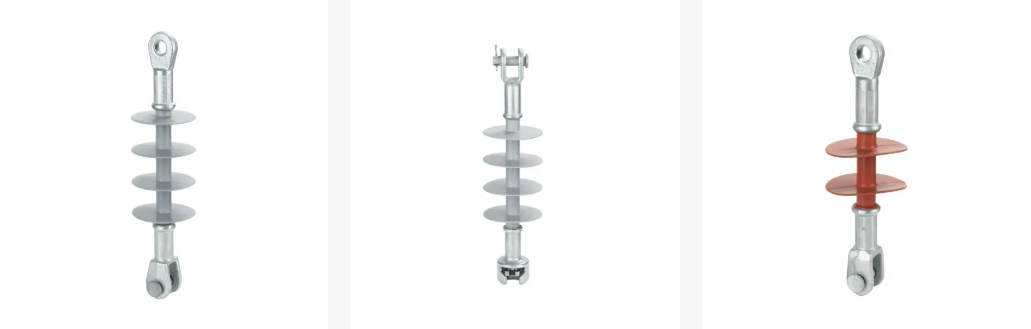
One of the standout advantages of composite insulators is their light weight. Composite insulators weigh up to 70% lighter than porcelain insulators of the same voltage rating. This reduction in weight eases handling during transportation and installation, allowing for quicker and more cost-effective setups. This advantage also reduces the mechanical stress on towers and other structural components, providing long-term durability.
Due to their lighter weight and modular design, composite insulators are easier to install compared to porcelain insulators. The reduced weight allows installation teams to use smaller cranes and fewer resources, lowering the overall installation cost. Additionally, their robust design ensures they can be easily transported and installed in challenging locations where traditional porcelain insulators would be more difficult to manage.
Composite insulators excel in dielectric strength, which refers to their ability to resist electrical breakdown. Silicone rubber, the primary insulating material, offers superior insulation properties, especially in polluted or humid environments. Porcelain insulators, although excellent in dry conditions, are more likely to suffer from surface leakage and flashover when exposed to contaminants such as salt, dirt, and industrial pollutants. Composite insulators mitigate these risks due to their hydrophobic properties.
One of the most significant advantages of composite insulators is their ability to perform effectively in polluted environments. The hydrophobic silicone outer layer prevents water from forming a conductive film on the insulator surface, which is a common issue with porcelain insulators in wet or polluted areas. This self-cleaning property reduces the risk of contamination flashover, making composite insulators ideal for coastal and industrial environments where pollution levels are high.
Composite insulators are designed to withstand extreme weather conditions, including high temperatures, high humidity, and UV exposure. Unlike porcelain insulators, which can suffer from weathering and UV degradation over time, composite insulators maintain their structural integrity and electrical performance in harsh conditions. Their UV-resistant silicone rubber ensures a long service life, even under direct sunlight.
Composite insulators are also more resilient to temperature extremes. Porcelain insulators can crack or weaken when exposed to sudden temperature fluctuations. In contrast, composite insulators can endure thermal cycling without compromising their insulating properties, making them ideal for use in regions with extreme seasonal variations.
Composite insulators require less frequent cleaning and maintenance compared to porcelain insulators. Their self-cleaning, hydrophobic properties prevent contamination buildup, which reduces the frequency of manual cleaning and servicing. Porcelain insulators, on the other hand, tend to accumulate dust and dirt on their surfaces, leading to increased maintenance efforts.
While composite insulators have a higher initial cost than porcelain insulators, they provide long-term savings due to their lower maintenance needs, greater durability, and longer lifespan. The reduced frequency of repairs and replacements makes composite insulators a cost-effective option over the entire lifecycle of the power grid.
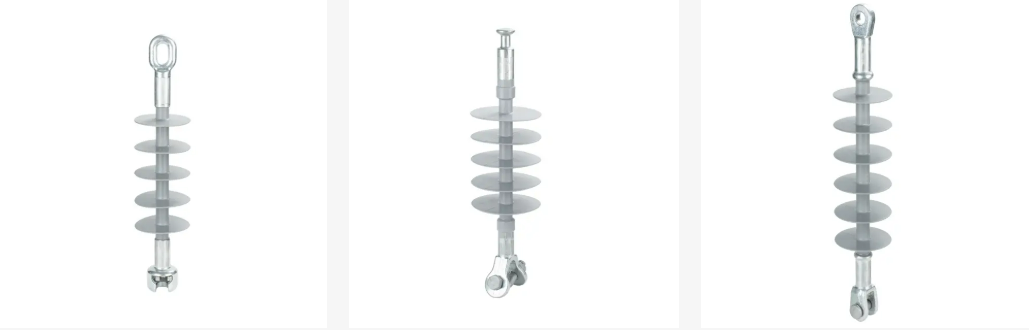
Composite insulators are especially suited for environments with high pollution, saltwater exposure, and extreme weather conditions. They are commonly used in coastal areas, industrial zones, and high-voltage transmission lines. Their resilience to contaminants and extreme conditions makes them the preferred choice for modern power systems that require long-lasting, reliable performance.
Porcelain insulators remain a reliable option for low pollution or historically stable applications where cost is a critical factor. They are often used in older infrastructure or in areas where environmental conditions are not as harsh. However, as electrical grids evolve, composite insulators are increasingly taking over in newer, more demanding installations.
Composite insulators offer greater design flexibility compared to porcelain insulators. They can be customized to meet specific voltage ratings and installation requirements, including different sizes and shapes. This adaptability allows for more efficient and tailored solutions for power transmission systems.
Composite insulators have been extensively tested and used in the field, demonstrating greater reliability and longer service life compared to porcelain insulators, particularly in challenging environmental conditions. Their durability and performance in real-world applications have made them the go-to choice for modern power grids.
Composite insulators must adhere to international standards such as IEC, ANSI, and other regional standards to ensure their safety and performance in high-voltage applications. These standards define the electrical, mechanical, and environmental criteria that insulators must meet, ensuring the reliability and longevity of power systems.
The future of composite insulators lies in smart technology. Researchers are exploring ways to integrate sensors into composite insulators to monitor real-time performance, predict failures, and enhance the intelligence of the grid. This trend is expected to further improve grid resilience and reduce maintenance costs.
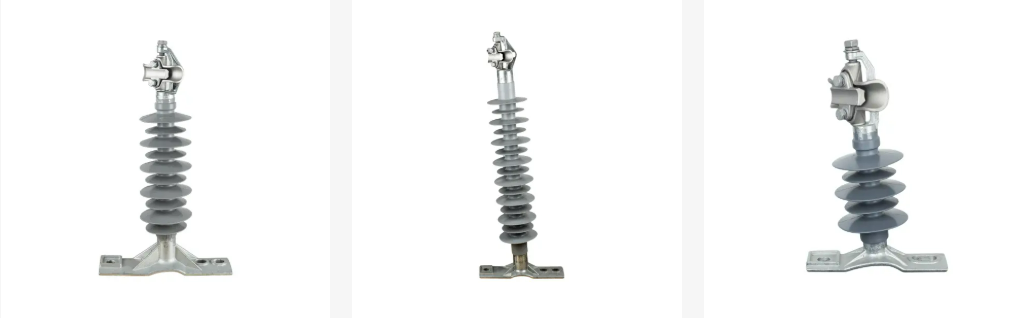
Composite insulators represent a technological advancement in electrical insulation, offering superior performance, durability, and cost-effectiveness compared to traditional porcelain insulators. As power systems continue to evolve and face new challenges, the advantages of composite insulators—especially in terms of mechanical strength, environmental resistance, and reduced maintenance—make them the ideal choice for modern electrical grids.
1. What are the main differences between composite and porcelain insulators?
Composite insulators are made from fiberglass cores and silicone rubber housings, providing superior mechanical strength, lightweight design, and better pollution resistance. Porcelain insulators, on the other hand, are made from ceramic materials, which are heavier and more prone to cracking under impact. Composite insulators also perform better in harsh environmental conditions.
2. Why are composite insulators preferred in polluted environments?
Composite insulators are hydrophobic, meaning they repel water, preventing contaminants from forming conductive films on the surface. This reduces the risk of surface flashover, making them ideal for coastal or industrial environments with high pollution levels.
3. Do composite insulators cost more than porcelain insulators?
While the initial cost of composite insulators may be higher than porcelain insulators, their lower maintenance and longer lifespan make them more cost-effective over time.
4. How does hydrophobicity affect insulator performance?
Hydrophobicity helps composite insulators remain clean and free from contamination, preventing the buildup of conductive moisture and dirt that could cause flashovers and reduce insulation performance.
5. Can porcelain insulators still be used in modern high-voltage systems?
Porcelain insulators are still suitable for low-pollution environments or where cost is a primary concern. However, composite insulators are becoming the preferred choice in modern, high-demand systems due to their superior performance and long-term cost savings.


