


Address
Nanzhai village, Liushi Town, yueqingCity, zhejiang Province, china
Tel
+86-13375775325
Views: 0 Author: Site Editor Publish Time: 2026-01-04 Origin: Site

In the modern world of power transmission, composite insulators play a critical role in ensuring the safe and efficient functioning of power systems. Unlike traditional porcelain and glass insulators, composite insulators are designed using advanced materials, which enhance their mechanical strength, pollution resistance, and longevity. This makes them ideal for use in a wide range of applications, including overhead power lines, substations, and even specialized railway electrification systems.
A composite insulator is an electrical insulator that uses a polymeric (plastic) material, typically silicone rubber, as the outer insulating layer, with a strong fiberglass core inside. This design combines the mechanical strength of fiberglass with the excellent insulation properties of silicone rubber, resulting in a lightweight and highly durable insulator that can withstand environmental stress better than traditional porcelain or glass insulators.

Composite insulators consist of several key components, each playing a vital role in their overall functionality:
Fiberglass Core: The core is typically made of fiberglass or a similar material that offers high tensile strength and flexibility. This core ensures that the insulator can withstand mechanical stress such as wind, vibration, and shock.
Polymeric (Silicone) Outer Layer: The outer layer of composite insulators is made of silicone rubber or another polymer, providing the electrical insulation needed to prevent short circuits and other electrical faults. This material is highly resistant to UV degradation, weathering, and contamination from pollutants, ensuring long-term performance.
End Fittings: These are made from metals such as aluminum or steel, designed to provide the necessary mechanical strength to the insulator. The fittings allow for secure attachment to power lines and support structures.
The combination of these materials creates an insulator that is 40% lighter than traditional porcelain insulators, making it easier to transport and install. Additionally, composite insulators have superior pollution resistance, meaning they are better suited for areas with high levels of industrial or coastal pollution.
Composite insulators work by providing two essential functions:
The polymeric layer (usually made of silicone rubber) provides the necessary electrical insulation to prevent electrical current from escaping the power lines. This layer also ensures that the system remains efficient and safe by maintaining electrical separation between energized conductors and their supporting structures.
In addition to electrical insulation, composite insulators also provide mechanical support. The fiberglass core helps the insulator resist tensile forces, which are particularly important in overhead power lines, where the insulator must bear the weight of the conductor while withstanding environmental forces such as wind, ice, and vibration.
Composite insulators come in various types, each suited to different applications in the power industry:
Suspension Composite Insulators
These insulators are typically used for high-voltage transmission lines. They are designed to support the weight of the conductor and maintain electrical separation between the conductor and the supporting structure.
Pin-Type Composite Insulators
These are used in lower voltage applications and are designed to be mounted directly to a pole or tower. They are compact and suitable for distribution systems that require a more space-efficient design.
Post-Type Composite Insulators
Used in substations and switchyards, these insulators support busbars and other switching equipment. Post-type insulators provide superior cantilever strength compared to traditional porcelain disc insulators.
Railway Electrification Insulators
Specialized insulators are used for electrified railway systems. These insulators ensure safe transmission of electricity to trains, even in harsh environmental conditions.
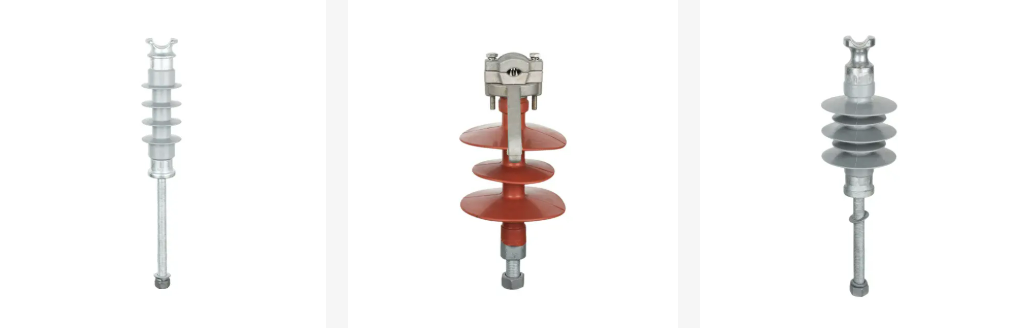
Composite insulators offer several advantages over porcelain insulators. The most notable difference is weight—composite insulators are much lighter than porcelain, making them easier and cheaper to transport and install. Additionally, composite insulators have better resistance to pollution and weathering, making them more reliable in coastal, industrial, or high-pollution environments.
While glass insulators offer good mechanical strength, they are more fragile compared to composite insulators. Composite insulators, with their polymeric exterior, are more resistant to environmental stress such as UV radiation and temperature extremes, which causes glass insulators to degrade faster.
Lightweight and Strong
Composite insulators are much lighter than their porcelain and glass counterparts, reducing transportation costs and making them easier to handle during installation. Despite their lighter weight, they provide superior mechanical strength, ensuring they can withstand the stresses of high-voltage applications.
Pollution and Weather Resistance
One of the standout features of composite insulators is their resistance to environmental factors such as pollution, UV radiation, and extreme temperatures. The silicone rubber coating prevents contaminants like dust, dirt, and salt from accumulating on the surface, which could otherwise cause electrical leakage or faults in traditional insulators.
Longer Service Life
The durability of composite insulators means they require less maintenance and have a longer operational life compared to porcelain or glass insulators. They are less prone to breakage and are more capable of withstanding harsh environmental conditions, leading to reduced downtime and maintenance costs for power utilities.
Composite insulators are used in a variety of power system components, including:
Overhead Power Transmission Lines
Composite insulators are ideal for high-voltage transmission lines, where they support the weight of the conductor while ensuring electrical insulation.
Substations and Distribution Systems
Composite insulators are used in substations to support busbars and switching equipment, offering reliable performance and superior cantilever strength.
Railway Electrification
Railway insulators, made from composite materials, are used in electrified rail systems to transmit power safely to trains.
Special Applications
Composite insulators can also be used in unique applications such as bushings and switchgear, providing flexible and efficient electrical insulation solutions.
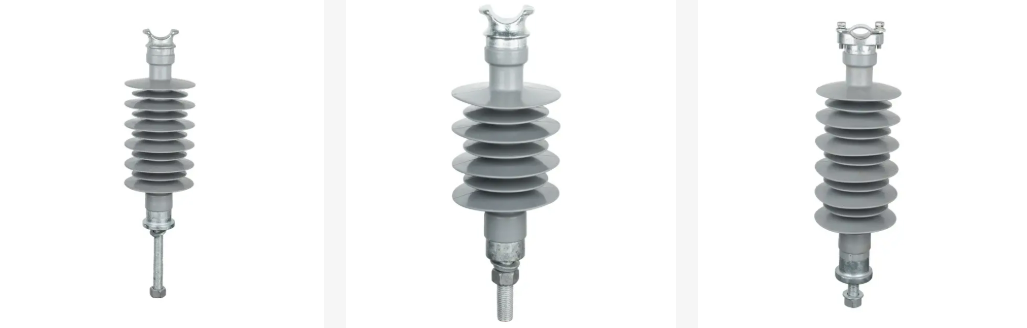
Composite insulators must meet specific international standards to ensure they perform as expected. Langao Power's composite insulators adhere to industry-leading standards:
IEC 61109: Standard for composite insulators in overhead lines.
ANSI 29.11: American National Standard for composite insulators.
GB/T 19519: Chinese National Standard for composite insulators.
These certifications ensure that Langao Power’s composite insulators meet the highest standards of performance, safety, and reliability.
The future of composite insulator technology looks promising. Innovations in material science and design will continue to improve the performance and cost-effectiveness of composite insulators. Key trends include:
Improved Materials: The development of new, more durable polymer materials will further enhance the performance of composite insulators in extreme conditions.
Smarter Designs: The integration of monitoring sensors to track the condition of composite insulators in real-time will improve maintenance schedules and prevent unexpected failures.
Langao Power’s composite insulators are designed to meet the highest international standards and provide reliable performance in challenging environments. With a wide range of voltage levels (11kV to 800kV), Langao Power offers customized solutions tailored to meet specific project requirements.
Global Export: Serving customers in over 50 countries, including Vietnam, Kenya, and Mexico.
International Certifications: Adhering to IEC, ANSI, and other global standards.
Customized Solutions: Tailored to meet the unique demands of your project, with full technical support and consultation.
ISO9001 Certified: Ensuring high-quality manufacturing processes and products.
Composite insulators represent a breakthrough in electrical insulation technology, offering a range of benefits over traditional porcelain and glass insulators. Their lightweight design, superior pollution resistance, and enhanced durability make them the preferred choice for modern power transmission systems. Langao Power is proud to offer high-quality composite insulators that meet international standards and provide reliable performance in a variety of applications.
What does a composite insulator do?
Composite insulators provide electrical insulation and mechanical support in power transmission systems, ensuring safe and efficient operation of overhead lines and substations.
What materials are used in composite insulators?
Composite insulators typically consist of a fiberglass core and a silicone rubber outer layer, which provides both mechanical strength and electrical insulation.
How are composite insulators different from porcelain insulators?
Composite insulators are lighter, more resistant to pollution and weathering, and have a longer service life compared to traditional porcelain insulators.
Where are composite insulators used?
Composite insulators are used in overhead transmission lines, substations, distribution systems, and railway electrification systems.
How do I choose the right composite insulator for my project?
The choice of composite insulator depends on the voltage level, environmental conditions, and mechanical load requirements of the application. Langao Power offers customized solutions tailored to your needs.


