


Address
Nanzhai village, Liushi Town, yueqingCity, zhejiang Province, china
Tel
+86-13375775325
Views: 0 Author: Site Editor Publish Time: 2026-04-23 Origin: Site
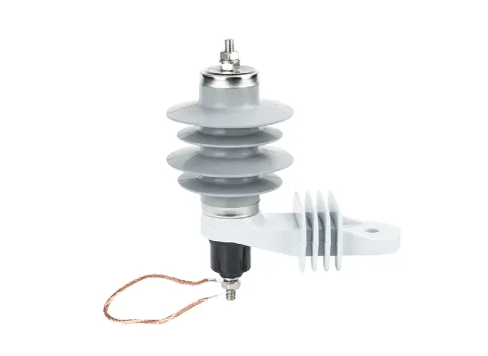
Surge arresters are essential devices in electrical systems that protect sensitive equipment from transient voltage surges caused by lightning strikes, power grid issues, and switching events. However, just like any other electrical component, surge arresters need to be tested regularly to ensure that they are functioning properly. A faulty surge arrester could fail to divert excess voltage during a surge, leading to potentially costly damage to equipment or even failure of an entire electrical system.
In this article, we will guide you through the steps of testing a surge arrester, the tools required, and the different methods used to ensure that surge protection is effective. We will also explore the factors that may affect the performance of surge arresters and when it’s time to replace them. Lastly, we will look at how companies like Zhejiang Langao Power Technology Co., Ltd. provide reliable surge protection solutions.
Surge arresters are designed to protect electrical systems and equipment from damage caused by high-voltage surges, such as those from lightning strikes or grid switching. They work by diverting the excess energy from the surge to the ground, ensuring that sensitive components are not exposed to the harmful effects of the surge.
However, surge arresters have a limited lifespan, and over time, they can degrade or fail to function properly due to repeated exposure to surges. When this happens, they may no longer provide the level of protection needed for the system. Therefore, it is crucial to regularly test surge arresters to ensure they are still working effectively.
Testing a surge arrester helps identify any damage or degradation in its performance. This way, you can replace it before a surge occurs, protecting your electrical systems from expensive damage.
There are various methods for testing a surge arrester. These methods can range from visual inspections to more advanced electrical tests that evaluate the arrester’s ability to handle surges. Below are the primary methods for testing surge arresters:
The first step in testing a surge arrester is to perform a thorough visual inspection. This is a simple and quick way to check for any obvious signs of damage, wear, or malfunction.
What to Look for:
Cracks or Burn Marks: Inspect the arrester for any visible cracks or signs of burning, which can indicate that it has been exposed to a surge larger than its rated capacity.
Corrosion: Check for any corrosion on metal parts, which can reduce the arrester’s ability to function properly.
Loose or Damaged Terminals: Ensure that the arrester’s terminals are intact and that there is no damage to the wiring.
Physical Deformation: Look for any physical deformities that could prevent the surge arrester from functioning correctly.
A visual inspection is a good first step, but it may not detect internal damage or degradation of the arrester’s ability to protect against surges.
The insulation resistance test is an essential method for evaluating the health of a surge arrester’s insulation. Over time, the insulation material of a surge arrester may degrade due to heat, humidity, or frequent exposure to voltage surges.
How to Perform the Test:
Disconnect the surge arrester from the electrical system.
Use a megohmmeter (also known as an insulation resistance tester) to measure the resistance of the insulation.
The resistance value should be high (typically in the range of megaohms). A low resistance value indicates that the insulation has deteriorated, which could result in a failure to protect the system during a surge.
If the resistance is lower than expected, the surge arrester should be replaced.
The clamping voltage test measures the voltage at which the surge arrester begins to divert excess voltage. Surge arresters are designed to activate at a specific voltage threshold, known as the clamping voltage. This test checks if the arrester is functioning within its specified range.
How to Perform the Test:
Apply a test voltage to the surge arrester using a surge generator or similar equipment.
Gradually increase the voltage until the arrester begins to divert the excess energy to the ground.
Measure the voltage at which the arrester activates. This should be within the arrester’s rated clamping voltage.
If the clamping voltage is too high or too low, it could indicate that the surge arrester is faulty and no longer providing adequate protection.
The leakage current test evaluates the amount of current that flows through the surge arrester when it is not experiencing a surge. Ideally, there should be minimal leakage current, as excessive leakage indicates that the arrester is compromised.
How to Perform the Test:
Disconnect the surge arrester from the system.
Use a multimeter to measure the leakage current.
The reading should be within the manufacturer’s specifications for the arrester. Excessive leakage current indicates that the arrester is not functioning properly.
The impulse test is one of the most effective ways to test a surge arrester’s ability to handle high-energy surges. This test simulates the electrical surges that occur during a lightning strike or power grid switching event.
How to Perform the Test:
Connect the surge arrester to a test circuit.
Use a lightning impulse generator to create a high-voltage surge.
Monitor the arrester’s performance during the surge and check for any breakdowns or failures in its protective mechanism.
This test is typically used for high-voltage surge arresters in industrial and power transmission systems. It provides a thorough evaluation of the arrester’s performance under real-world conditions.
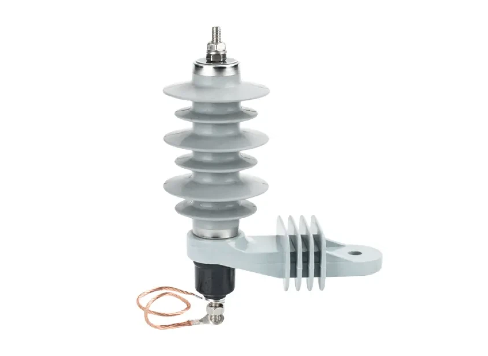
When testing a surge arrester, several factors must be considered to ensure accurate results and effective protection:
Factor | Explanation |
Surge Arrester Rating | Ensure that the surge arrester’s rating matches the voltage level of the system it protects. |
Environmental Conditions | Surge arresters exposed to extreme conditions (e.g., high humidity, temperature, or corrosive environments) may degrade faster. |
Frequency of Surges | The more frequently a surge arrester experiences voltage surges, the quicker it may degrade and lose effectiveness. |
Manufacturer Guidelines | Always follow the manufacturer’s instructions for testing procedures and acceptable resistance/voltage values. |
Testing a surge arrester should always be done according to manufacturer guidelines to ensure accurate results and protect the system effectively.
Surge arresters do not last forever. Over time, they can degrade due to exposure to voltage surges, extreme weather conditions, or physical wear. Here are some signs that it may be time to replace your surge arrester:
Frequent Surges: If the surge arrester has been exposed to multiple large surges, it may no longer be able to handle further voltage spikes.
Increased Leakage Current: A significant increase in leakage current can indicate internal degradation, which means the arrester is no longer providing adequate protection.
Visible Damage: Cracks, burns, or corrosion on the surge arrester can render it ineffective.
Failed Tests: If the arrester fails during any of the testing methods mentioned earlier (such as the clamping voltage or leakage current test), it should be replaced immediately.
Surge arresters are critical components in protecting electrical systems from damaging voltage surges caused by lightning, power grid issues, or other disturbances. Regular testing of surge arresters ensures they remain functional and capable of providing reliable protection for electrical equipment. By performing tests such as visual inspections, insulation resistance tests, and impulse tests, you can identify potential issues early and prevent costly damage to your systems.
For those seeking reliable surge protection solutions, Zhejiang Langao Power Technology Co., Ltd. offers a wide range of surge arresters designed to meet the needs of various industries. Their surge protection products provide peace of mind, knowing that your electrical systems are safeguarded against harmful surges.
Q: How do I know when to test a surge arrester?
A: Surge arresters should be tested regularly, especially after experiencing a significant surge, lightning strike, or after a few years of use to ensure they continue to offer proper protection.
Q: Can I test a surge arrester without disconnecting it from the system?
A: Some tests, like insulation resistance and leakage current tests, require disconnection from the system to avoid interference with the results and to ensure safety.
Q: What is the clamping voltage of a surge arrester?
A: The clamping voltage is the threshold at which a surge arrester begins to activate and divert excess voltage away from sensitive equipment. It is an important factor in surge protection.
Q: Why does the surge arrester need to be replaced?
A: Surge arresters can wear out over time due to repeated surges. If they fail to activate properly or show visible signs of damage, they need to be replaced to ensure continued protection.


